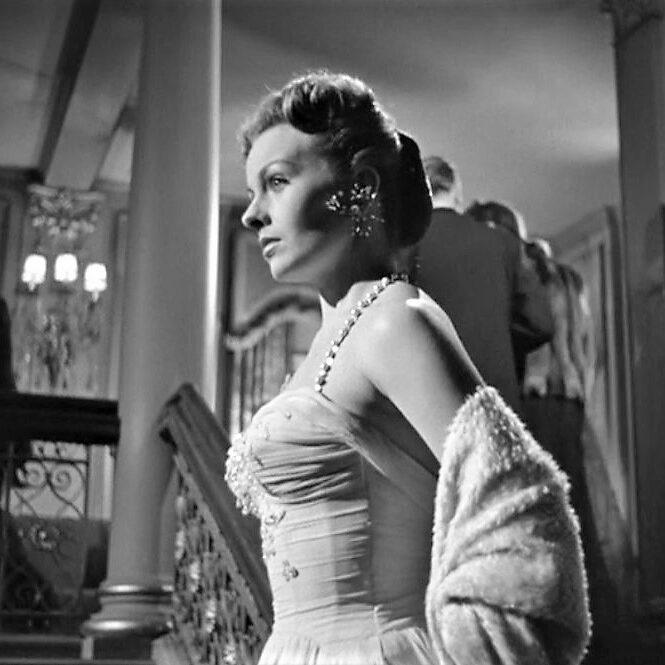
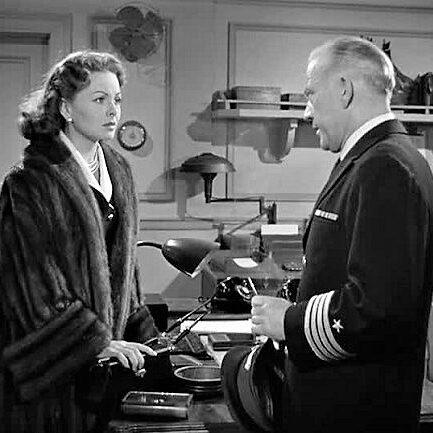
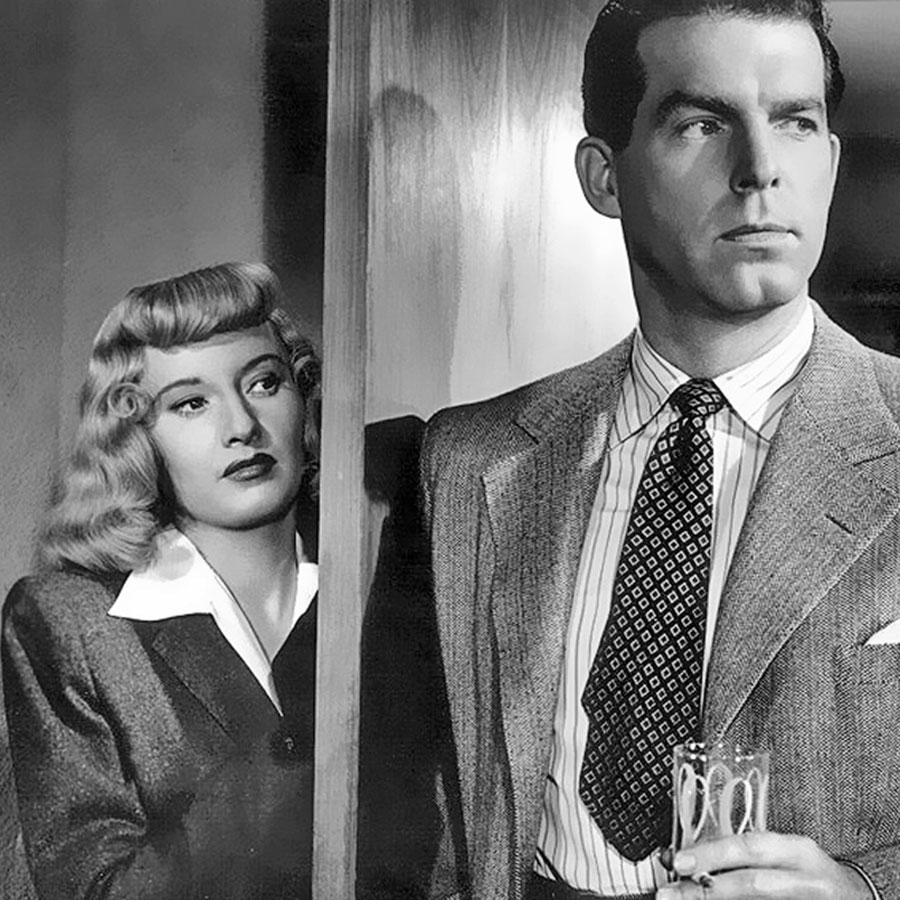
Jeanne Crain may not be Stanwyck or Crawford, but she’s radiant and enthralling in Dangerous Crossing.
Mary Anderson as Anna Quinn, and Michael Rennie as Dr. Paul Manning are rather convincing as well.
The sets come from “Titanic” (Jean Negulesco, 1953) from “Gentlemen Prefer Them Blonde” (Howard Hawks, 1953). One of the dresses worn by Marjorie Hoselle comes from “All About Eve” (Joseph L. Mankiewicz, 1950). But as familiar as the film may look, the story is suspenseful to the very end.
It’s amazing that it was shot in only 19 days for half a million dollars… thank the fog.
There’s a lot of male gazing in this film, courtesy of amazing photography and costumes and a stunning Crain.
But Crain comes across as a strong woman, despite others wanting to drive her mad, and I always like strong woman roles. She may not be Stanwyck or Crawford, but now I want to see more of her films.
Not a perfect film, but not bad for a low budget noir. 4.5 stars.

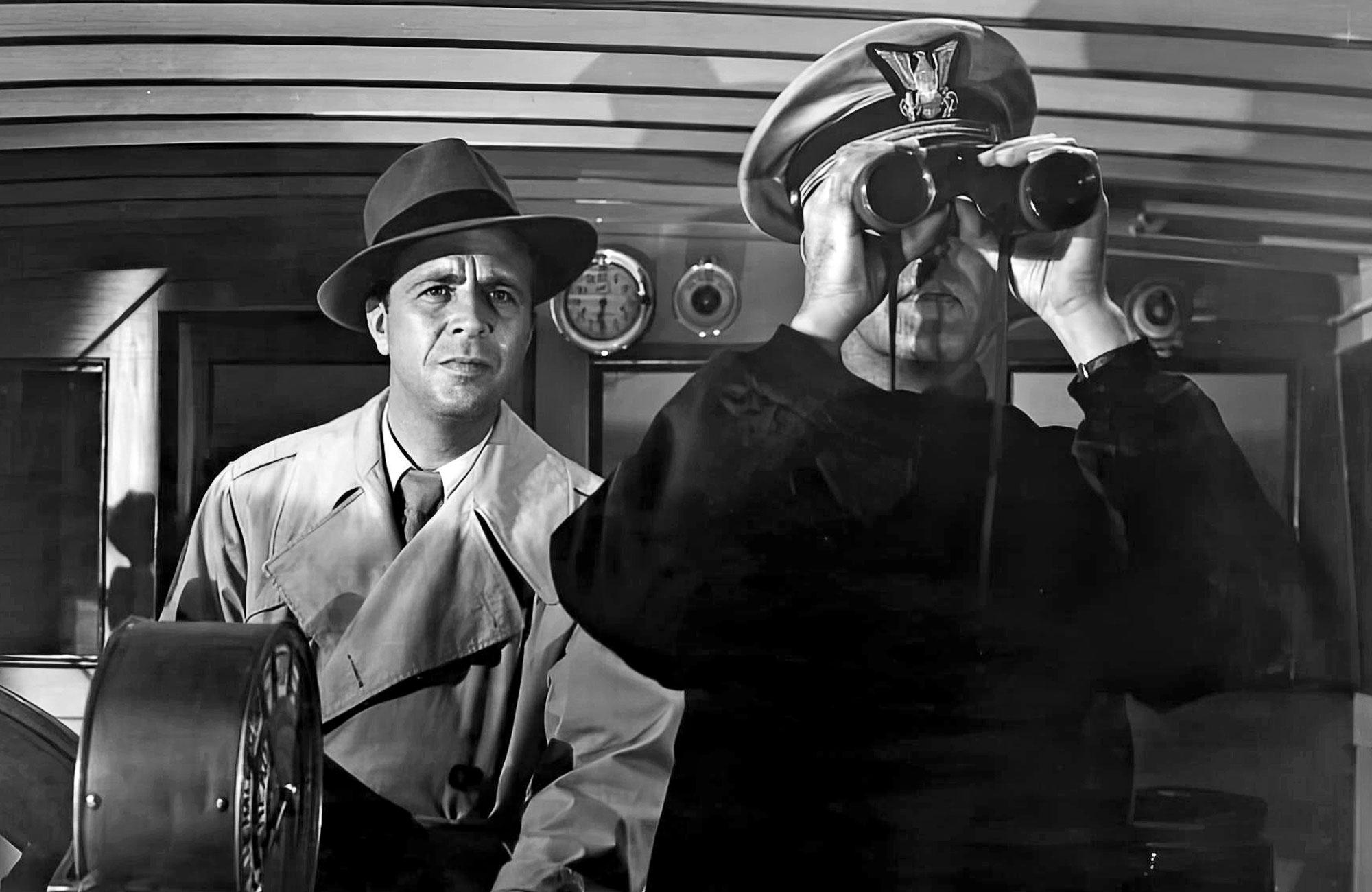
Set entirely on a cruise ship, Joseph M. Newman’s Dangerous Crossing features a relentlessly nautical ambience complete with a constant foghorn and a soupy fog that allows for a wide variety of beautiful entrances and exits. Jeanne Crain plays newlywed Ruth Stanton, whose new husband vanishes minutes after boarding their honeymoon cruise. Not a soul on board remembers him, and once it’s discovered that Ruth appears solo on the ship registry, nobody seems willing to give her the benefit of the doubt except ship doctor Paul Manning (Michael Rennie), who quickly evolves into a sort of husband substitute. The ship’s hallways and staterooms serve as a labyrinthine backdrop for suspense, especially after Ruth overhears crew members speaking about her fate, and a Halloween party onboard adds extra creepiness. Some of the dialogue sounds forced to move the plot along, and Crain is no Stanwyck or Crawford, but Dangerous Crossing is beautifully photographed, efficiently directed, and perfectly entertaining.
Share this film
Story Elements