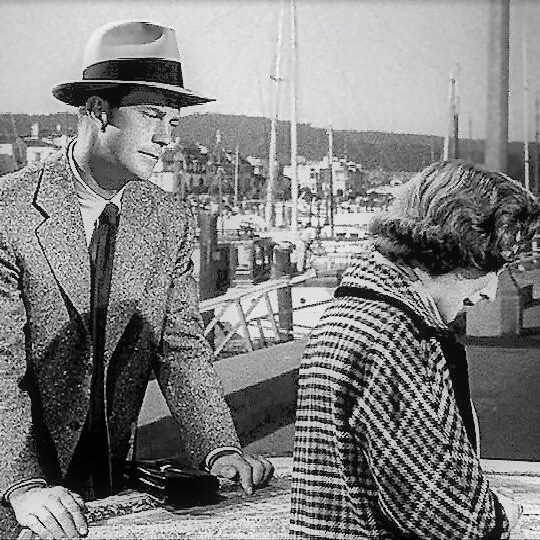
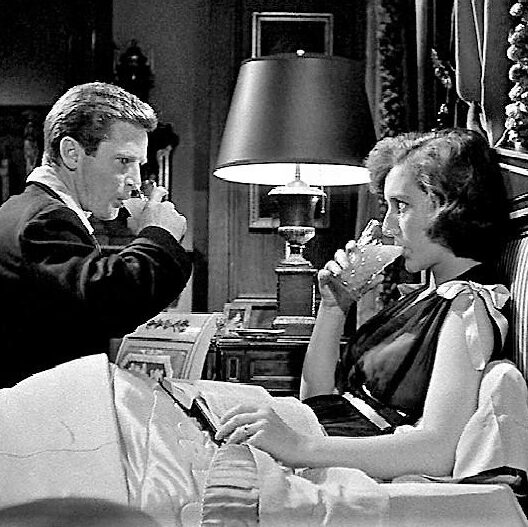
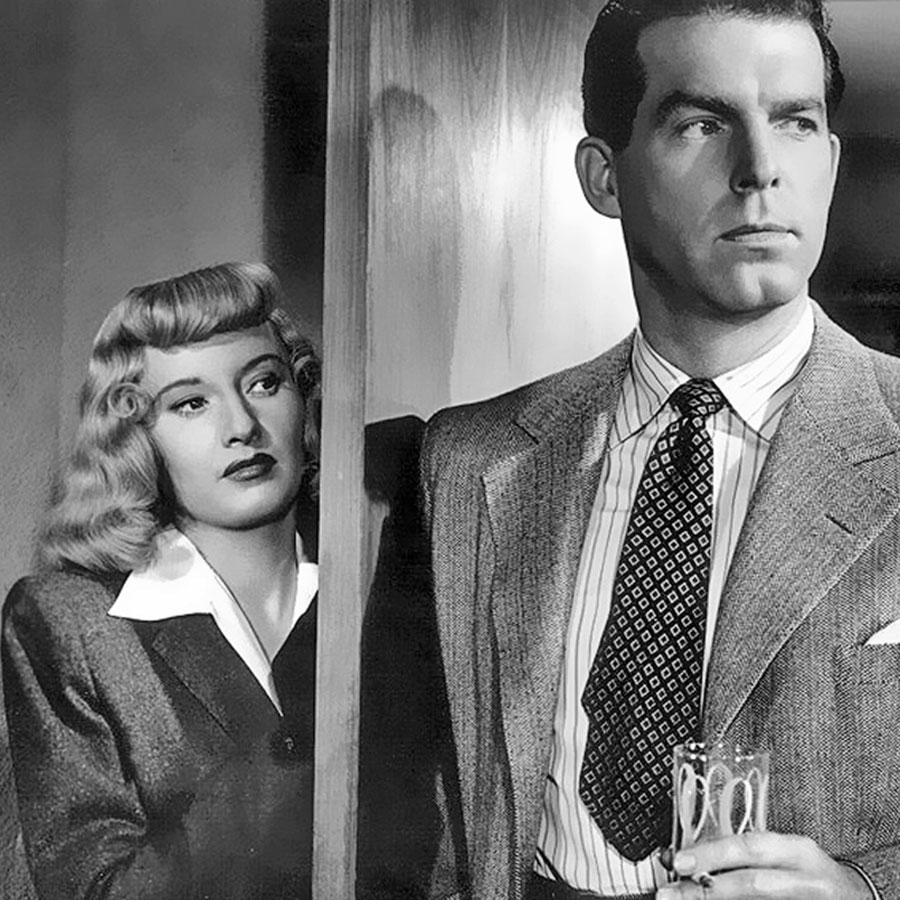
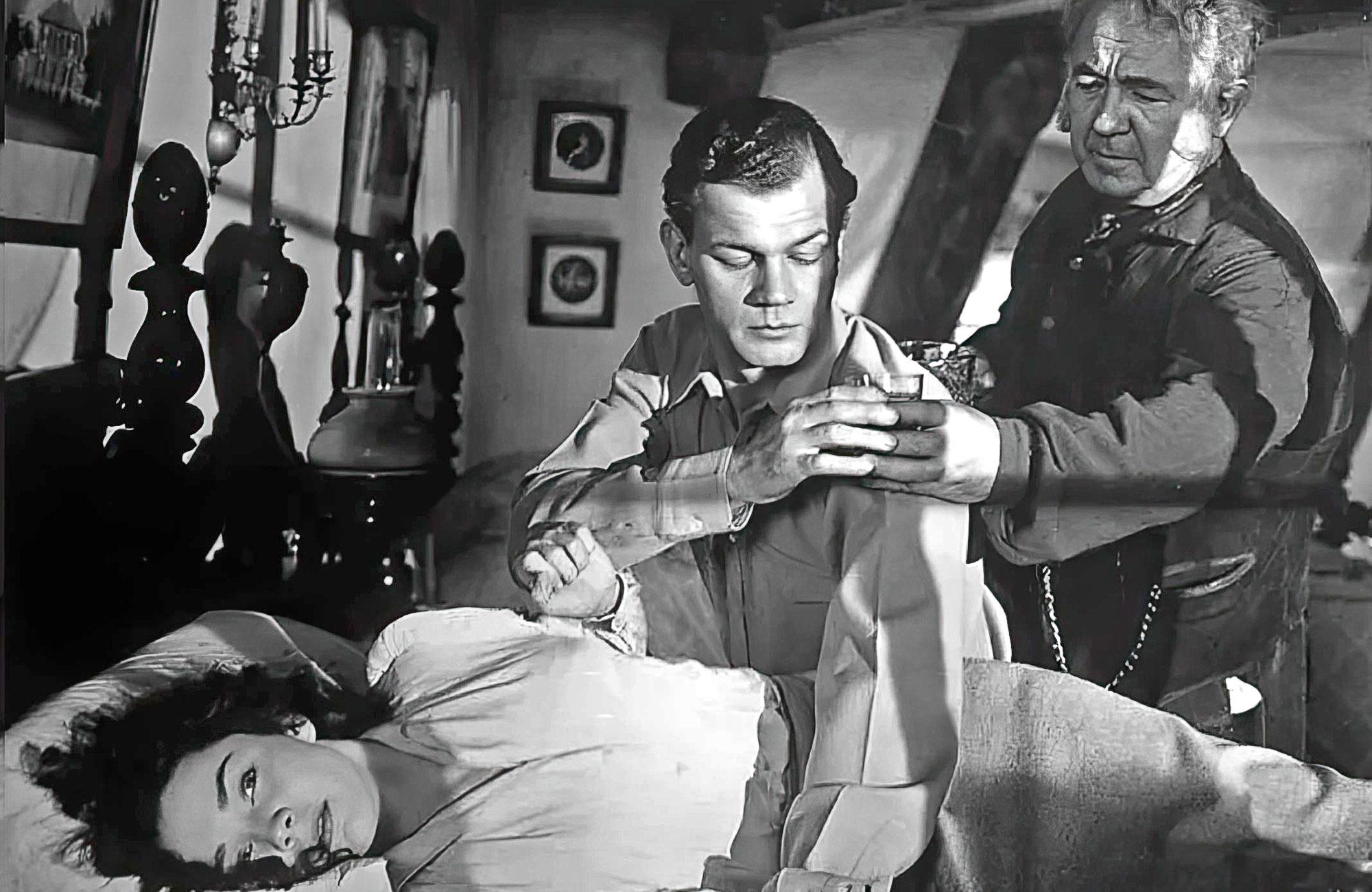
The House on Telegraph Hill was made as a vehicle for Italian actress Valentina Cortese, and she’s in every scene but two, according to DVD commentary by Eddie Muller.
I like the story, the San Francisco locations, and even the actors. It was an enjoyable experience, and yet it could have been so much more, if Robert Wise would have played the love triangle and the sensuality a bit more. Perhaps they didn’t want to risk the rage of the Hayes Office at a cheating wife, when they were already getting away at a bit lie with no apparent consequence.
Cortese would marry co-star Richard Basehart, and the couple moved back to Italy, where Basehart acted in several films, including Fellini’s La Strada. 3.5 stars.

In Robert Wise’s The House on Telegraph Hill, Valentina Cortese plays a Polish widow detained in a Nazi concentration camp who steals the identity of her deceased friend Karin Dernakova to start a new life in San Francisco after the camp is liberated (“I had become one of the thousands of miserable strays”). Reunited with the original Karin’s young son, who was sent as a baby to live with his wealthy American aunt, also recently deceased, the “new” Karin accepts him as her own and ultimately marries the boy’s guardian, Alan Spender, played by the fantastic Richard Basehart. As Karin discovers the family’s secret histories and parries with the cold, suspicious housekeeper Margaret (Fay Baker), she finds her life in danger. With so many narrative parallels to Mitchell Leisen’s No Man of Her Own (1950) the year earlier, Cortese can’t compete with the performance of the earlier film’s Barbara Stanwyck. Still, the extremely dramatic Italian-style mansion sets are fantastic, Karin’s nighttime strolls through the mansion are stunningly lit, and a scene in which her car races through the San Francisco hills uncontrollably (her brakes had been cut) is perfectly thrilling.