Francisco Rabal, Mayrata O’Wisiedo, Ramón Elías, Dolores Bremón, Pilar Muñoz, María Victoria Durá, Mercedes Gisbert, Modesto Cid, José Manuel Pinillos
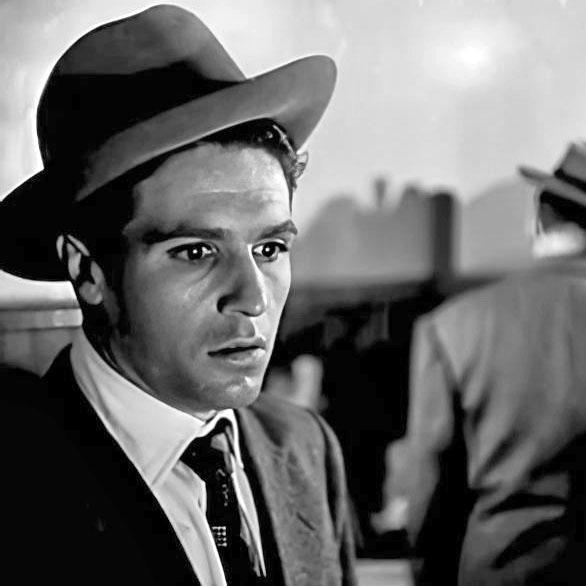
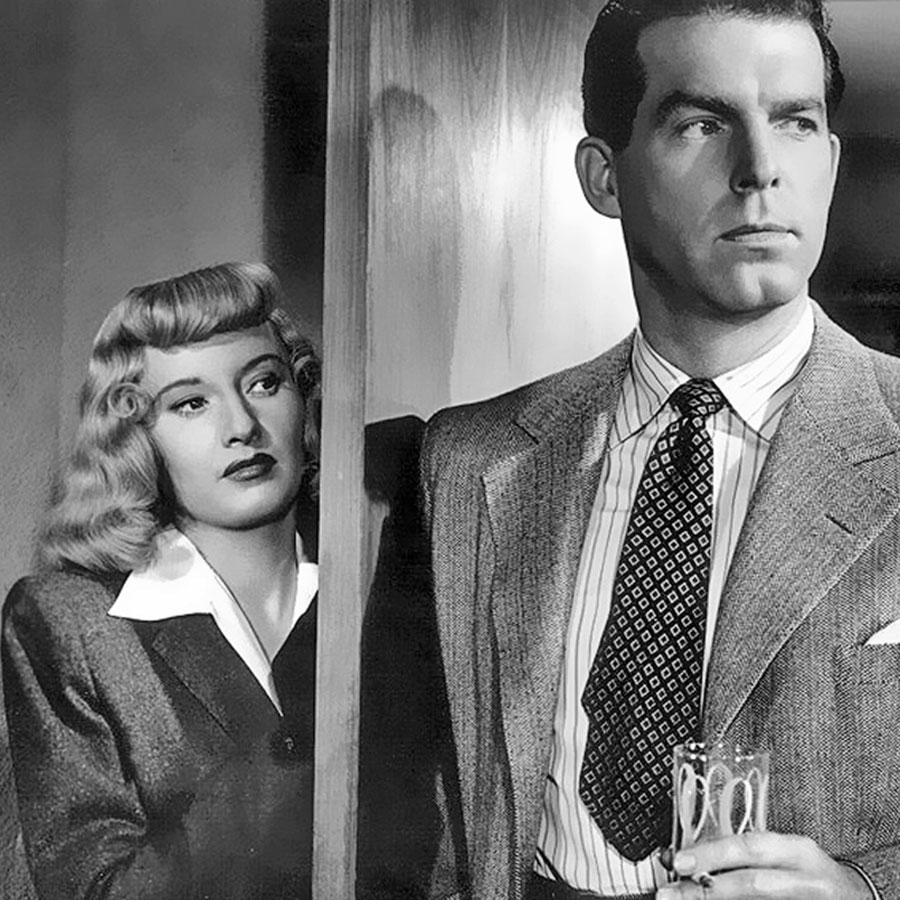
Ernesto (Francisco Rabal) quickly regrets spending the stash of money.
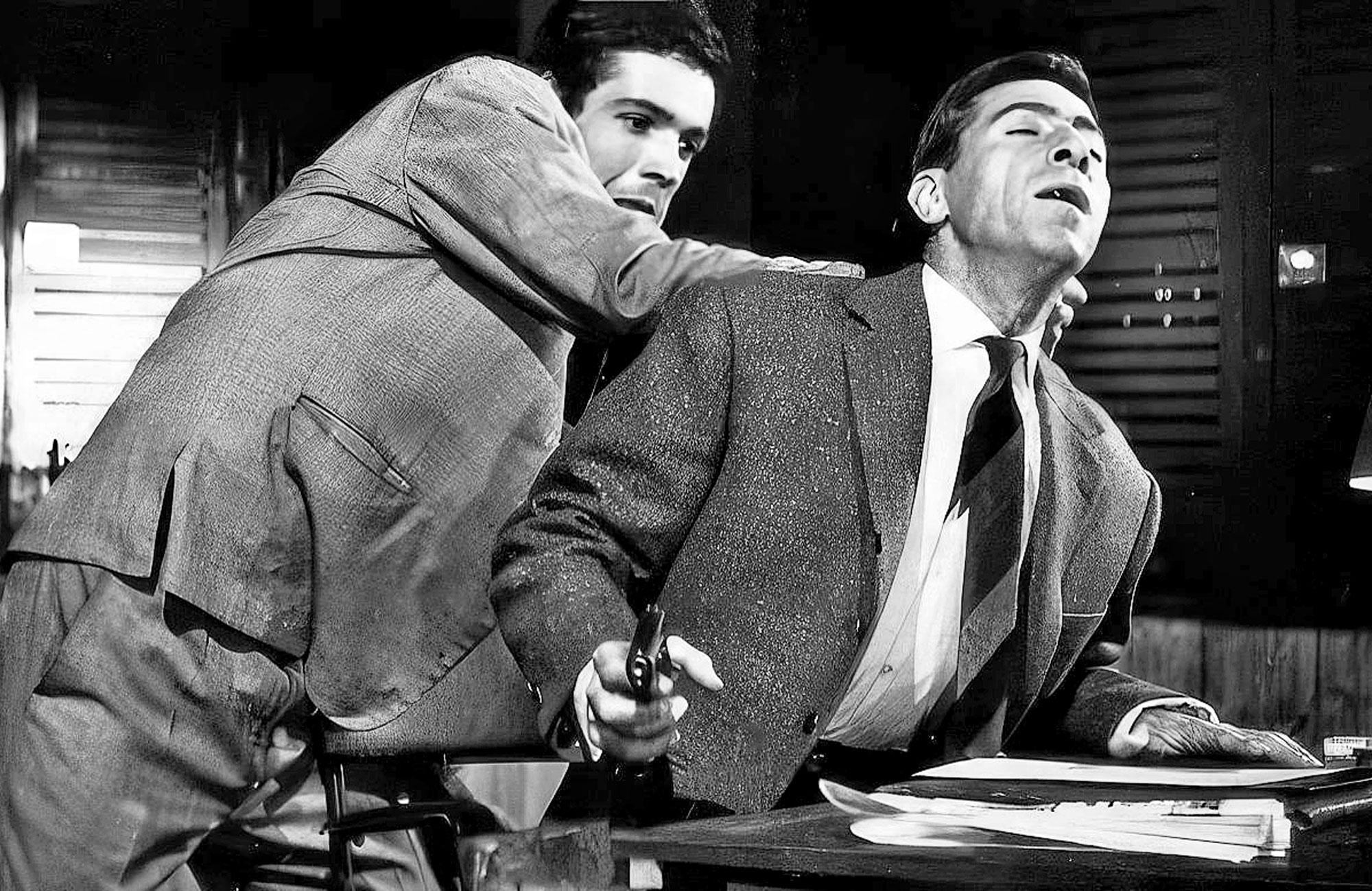
Rosa (María Victoria Durá) considers the blackmailers' options.
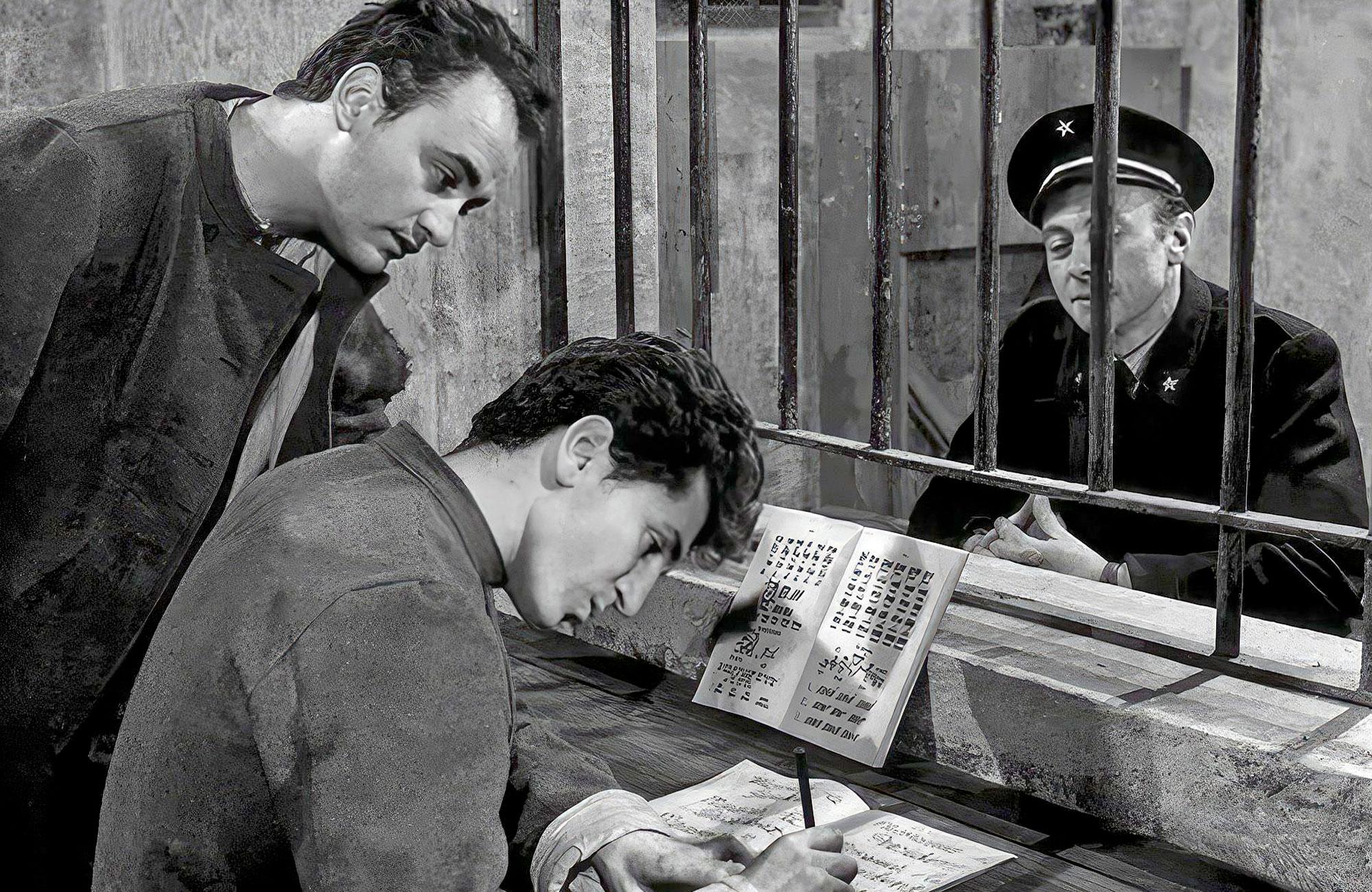
Spanish entertainment during the Franco regime typically warned about the corrupting powers of greed and excess, and the message wasn’t exactly subtle. For example, in Luis Escobar’s La honradez de la cerradura (US: The Honesty of the Lock), a newly married couple enjoying a comfortable life decides to keep the small fortune of cash that accidentally falls into their laps, but this decision, of course, will threaten their lives. Based on a 1942 stage play and sharing a premise with Byron Haskin’s Too Late for Tears (1949), the film follows Ernesto (Francisco Rabal) and Marta (Mayrata O’Wisiedo), newlyweds who strive for wealth and the ability to indulge in occasional luxuries like the fancy purse Marta covets but can’t afford. One night, their elderly moneylending neighbor Doña Matilde (Dolores Bremón) entrusts a bundle of cash with them to keep it away from her acquisitive maid, but when the Doña is found dead the next morning, the couple decides to keep and enjoy the money as a gift from fate. Soon, a strange man shows up to demand payment in exchange for keeping their secret, commencing a blackmail scheme that will later escalate to bickering, remorse, and murder. It’s unfortunate that this was director Escobar’s only feature film (he spent most of his career in the theater) because he shows a brilliant instinct for noir style, incorporating a wide variety of sets (nightclub, fancy café, city park, carnival with clowns) and iconic imagery like dark, smoky bars, night-draped rooftops and stairwells, gleaming cobblestone streets, and fedora-topped silhouettes framed in doorways. Note the shot in which the camera pans away from the couple in bed, withdraws into the shadows, and glides down to a neighbor slumbering on the floor below, or the visualization of Ernesto’s inebriation by chalk marks on the bar and compositing of drunken expressions to denote the passage of time. If there’s a weakness, it’s Dotras i Vila’s score, which often sounds overwrought and sacrifices realism for artifice.
Rate+Review The Honesty of the Lock
You must be logged in to submit a review. You may also register for an account.