Surely inspired by earlier heist masterpieces like
Rififi (1955) and
The Killing (1956), Takumi Furukawa’s
Kenjû zankoku monogatari (US:
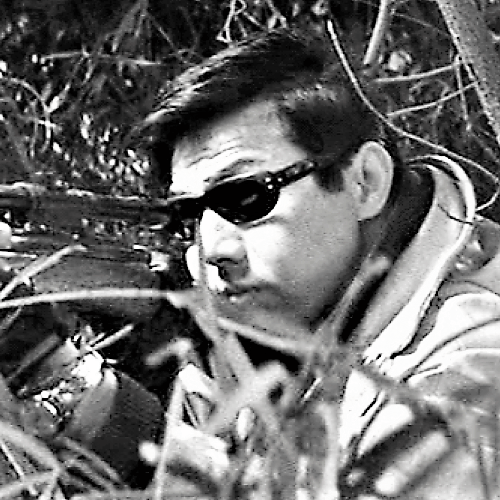
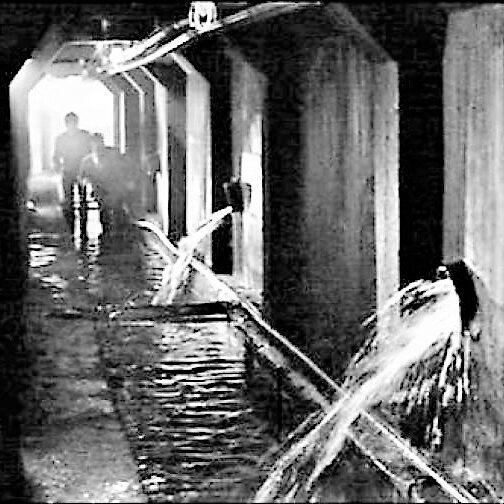
Cruel Gun Story) ups the stylistics and bleakness of the traditional heist narrative formula: proposition, recruitment, planning, execution, mishap, double cross, comeuppance. The eminently cool Jô Shishido plays Togawa, a vulnerable, volatile young man just out of prison for murdering the person who disabled his sister Rie (Chieko Matsubara), now wheelchair-bound and awaiting expensive surgery that probably won’t improve her mobility anyway. When a mob boss plays on Togawa’s brotherly guilt to lead a robbery of an armored car carrying racetrack receipts, Togawa accepts, despite misgivings about the quality of the team he’s offered, aside from his old pal Shirai (Yuji Kodaka) who helps him assess the others. As expected, things don’t go smoothly. Saburô Isayama’s cinematography comes alive during indoor and underground sequences (warehouses, sewers, meeting places); maybe that’s why Togawa rarely removes his dark sunglasses. Also somewhat unique for a Japanese film is the use of Christian symbolism in the form of a wooden cross Togawa’s sister bequeaths him and the peal of church bells upon an important death late in the film.