By pure accident, I watched “Call Northside 777” (Henry Hathaway, 1948) the day after watching “I Want to Live” (Robert Wise, 1958), both films based on true stories written by journalists.
There are so many other similarities between the two, it was uncanny. The first has a man accused of murder, Frank Wiecek (Richard Conte), the latter has a woman, Barbara Graham (Susan Hayward), also accused of murder.
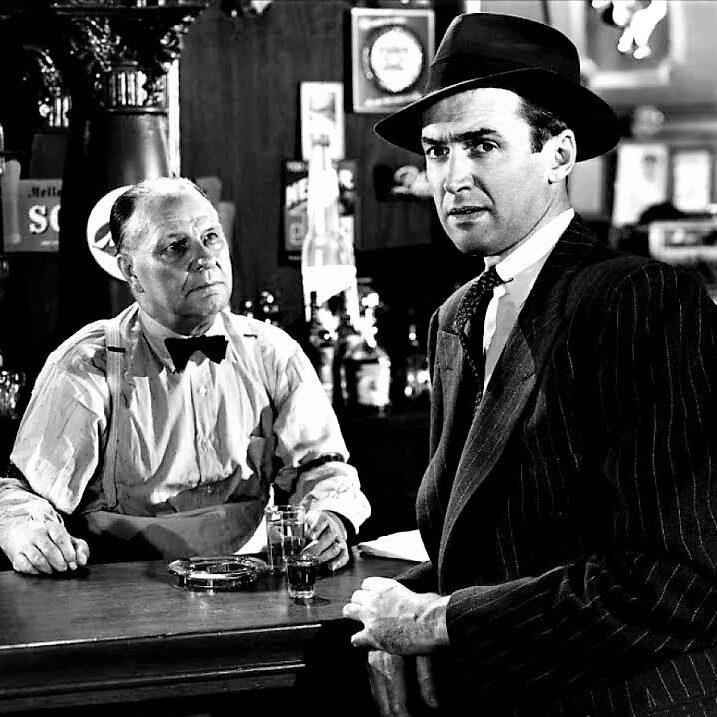
And both have a journalist writing about the cases in order to sell newspapers: P.J. McNeal ( James Stewart) in the 1948 film and Edward S. ‘Ed’ Montgomery (Simon Oakland) in the latter film.
Perhaps it’s an unfair comparison, because “I Want to Live” is ten years newer. Nevertheless, here’s my contrasting opinion.
Wise’s film feels very modern, starting with the opening credits that look more like a 1960’s film, together with a claustrophobic jazz club scene. The film does a laudable job in putting us in the skin of the woman in death row. I watched the film as if Hayward’s destiny was my own.
Conte’s acting is not bad, but the 1948 film tells the story from Stewart’s point of view, which distances the viewer from the “cop-killer” destiny. Unfairly, the man doesn’t have his life at stake, but a sentence of 99 years of prison.
I won’t say anymore, as to not spoil the story, but while “Call Northside 711” is a recommended watch, “I Want to Live” is a must-watch. 3.5 stars for the first; 5 stars for the latter

Henry Hathaway’s Call Northside 777 isn’t a police procedural but a newspaper procedural filmed in the semi-documentary style Hathaway helped make popular for a time in the late forties. Based on true events, the film follows newspaperman PJ McNeal (James Stewart) as he investigates, reluctantly at first, whether a man imprisoned for 12 years was wrongfully convicted. Frank Wiecek (Richard Conte) was accused of killing a cop in a Chicago speakeasy during Prohibition (a genuinely frightening flashback), but Wiecek’s devoted mother Tilly (Kasia Orzazewski), after placing an ad in the newspaper, persuades McNeal that he was wrongly convicted, which sends the reporter on an investigative odyssey interviewing prison inmates, examining photograph and polygraph evidence, bar hopping in the Polish neighborhood, and hunting for the speakeasy owner, Wanda Skutnik (Betty Garde), whose positive ID put Wiecek away. (Helen Walker, by the way, plays McNeal’s wife in a decorative role.) After the opening scenes of semi-documentary police footage, stentorian voice-over, and truth-seeking newsrooms, the always righteous McNeal’s first meeting with sweet, determined Tilly scrubbing an office lobby floor introduces unexpected pathos that sustains the procedural story line through the end. Of particular note, McNeal’s encounter with Skutnik in a dilapidated slum is beautifully and eerily filmed with sputtering lights and train whistles as if the Volstead Act is still keeping her underground. “It’s a good world outside.”
Share this film
Story Elements