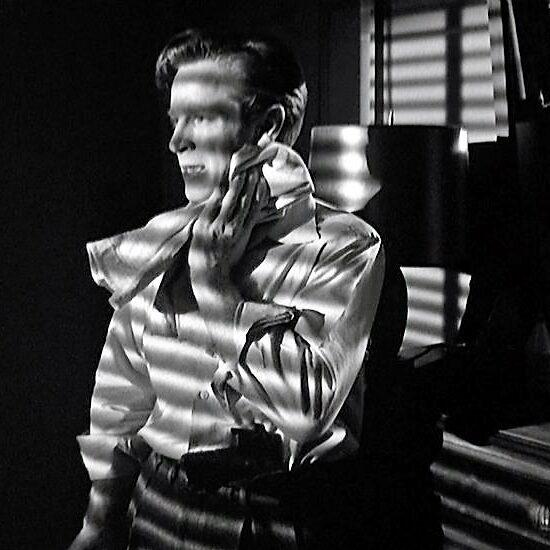
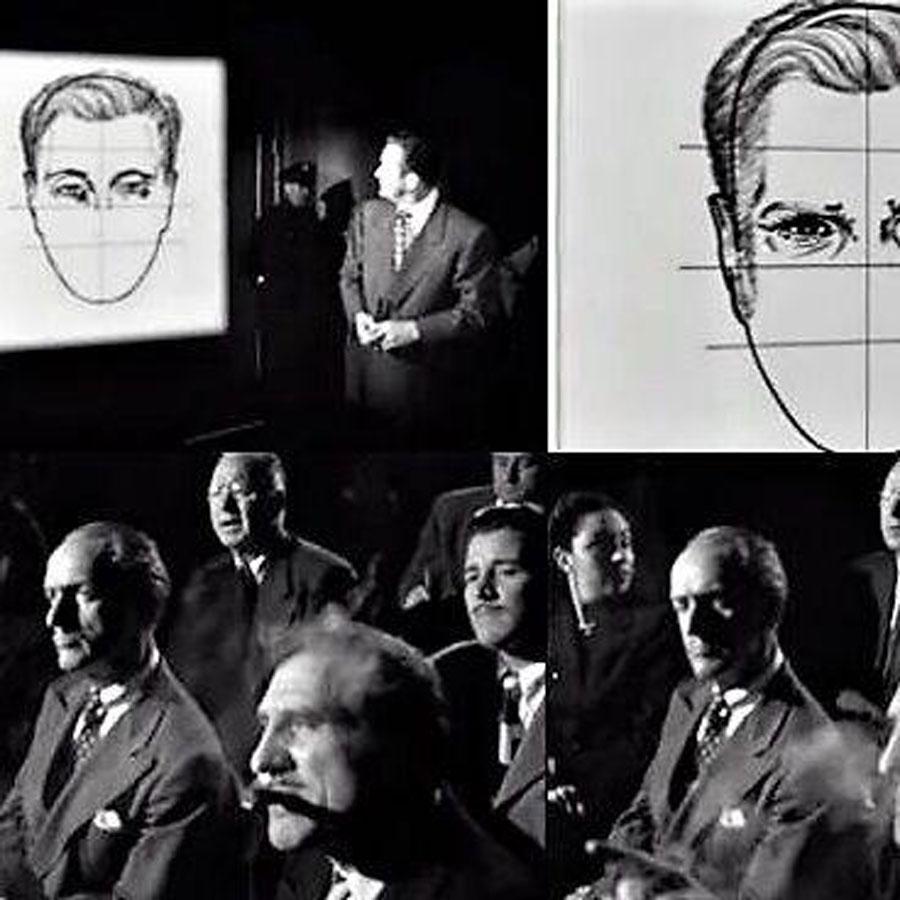
The story of Roy Martin (Richard Basehart) is based on the true crime of a war veteran with PTSD. While we don’t know what makes Roy be a bad guy, the semi-documentary style narration makes it clear he’s bad. However, there are some scenes without dialogue that makes us empathize with him, like his relationship with his sweet dog, and his pain as he removes a bullet.
Spoiler alert: Roy ends up dead, as he should in a film made during the Hays Code years, but he’s more approachable than most of the policemen, including Capt. Breen (a wink at censorship czar Joseph Breen). We almost want him to survive, to turn himself in so he doesn’t die. Or at least we want to understand him, or for him to find salvation somehow.
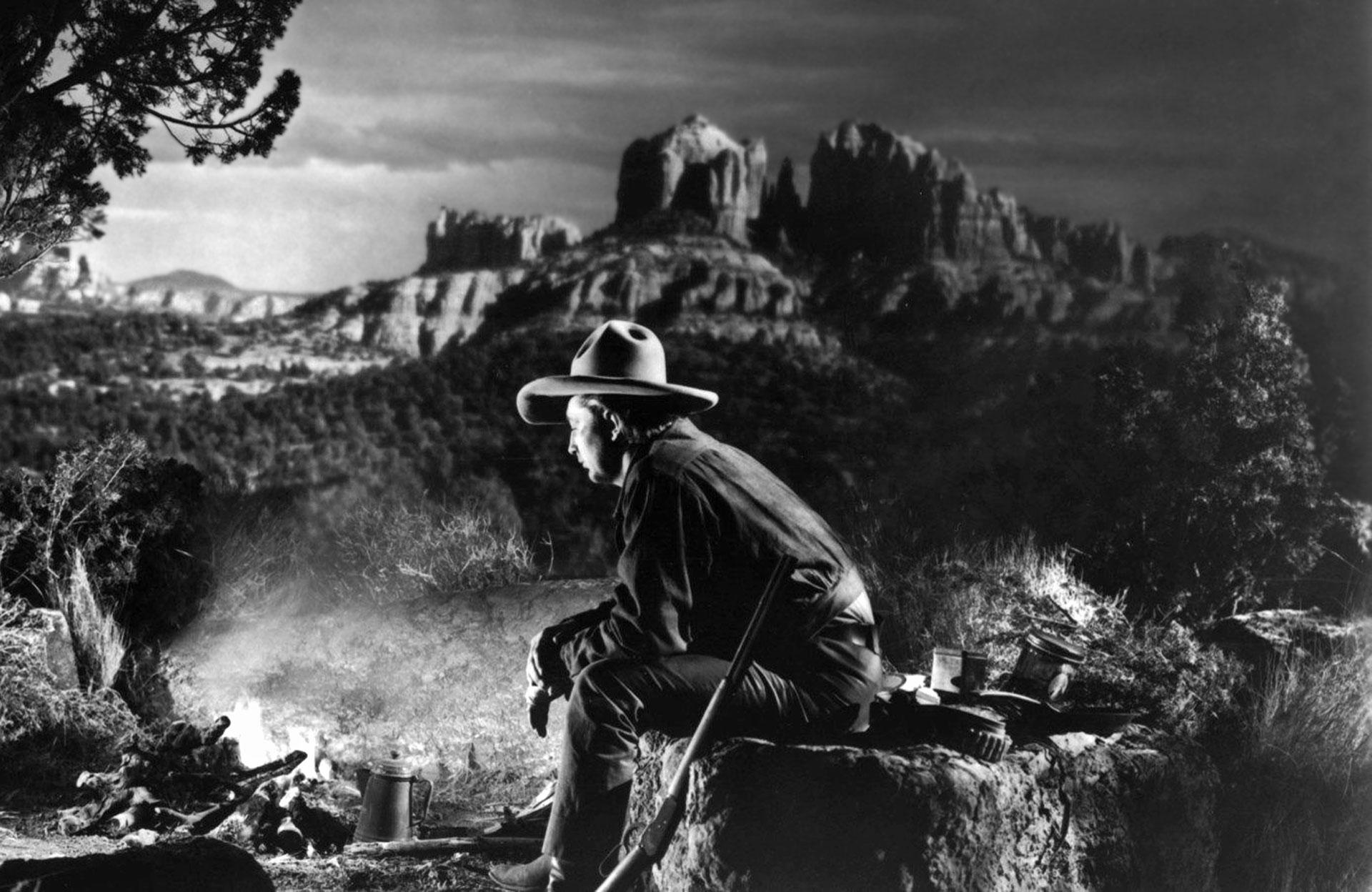
There are some very dark (and beautiful) scenes in this film, courtesy of cinematographer John Alton, and some of them directed by Anthony Mann (who took over the film directing towards the end of production, when Alfred L. Werker fell ill). But my absolute favorite scenes occur when the suspense is built upon the darkness with silence, or just sound effects, with no music whatsoever.
Finally, I love the dry ending, with no voice of God giving us a moral conclusion.