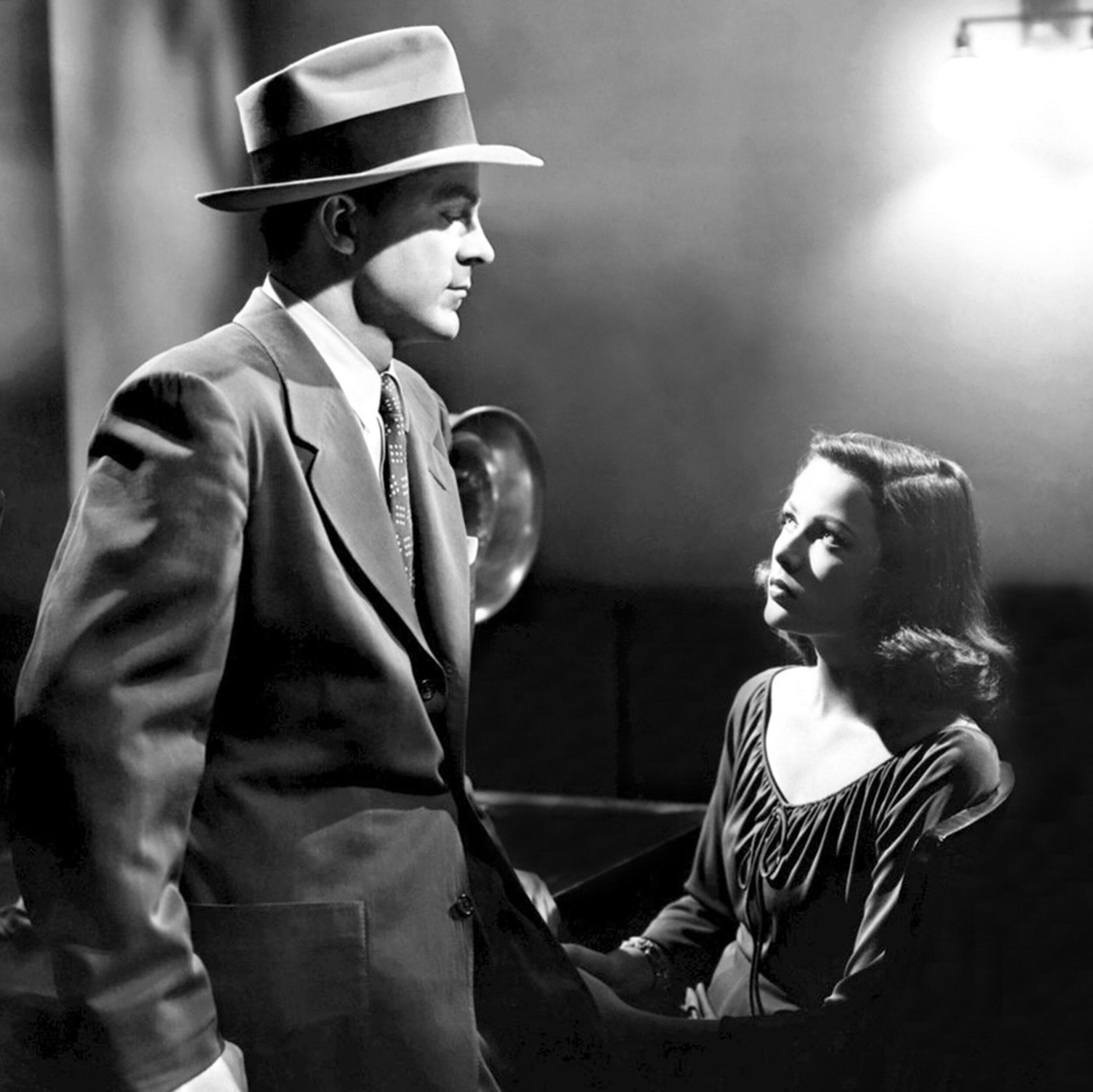
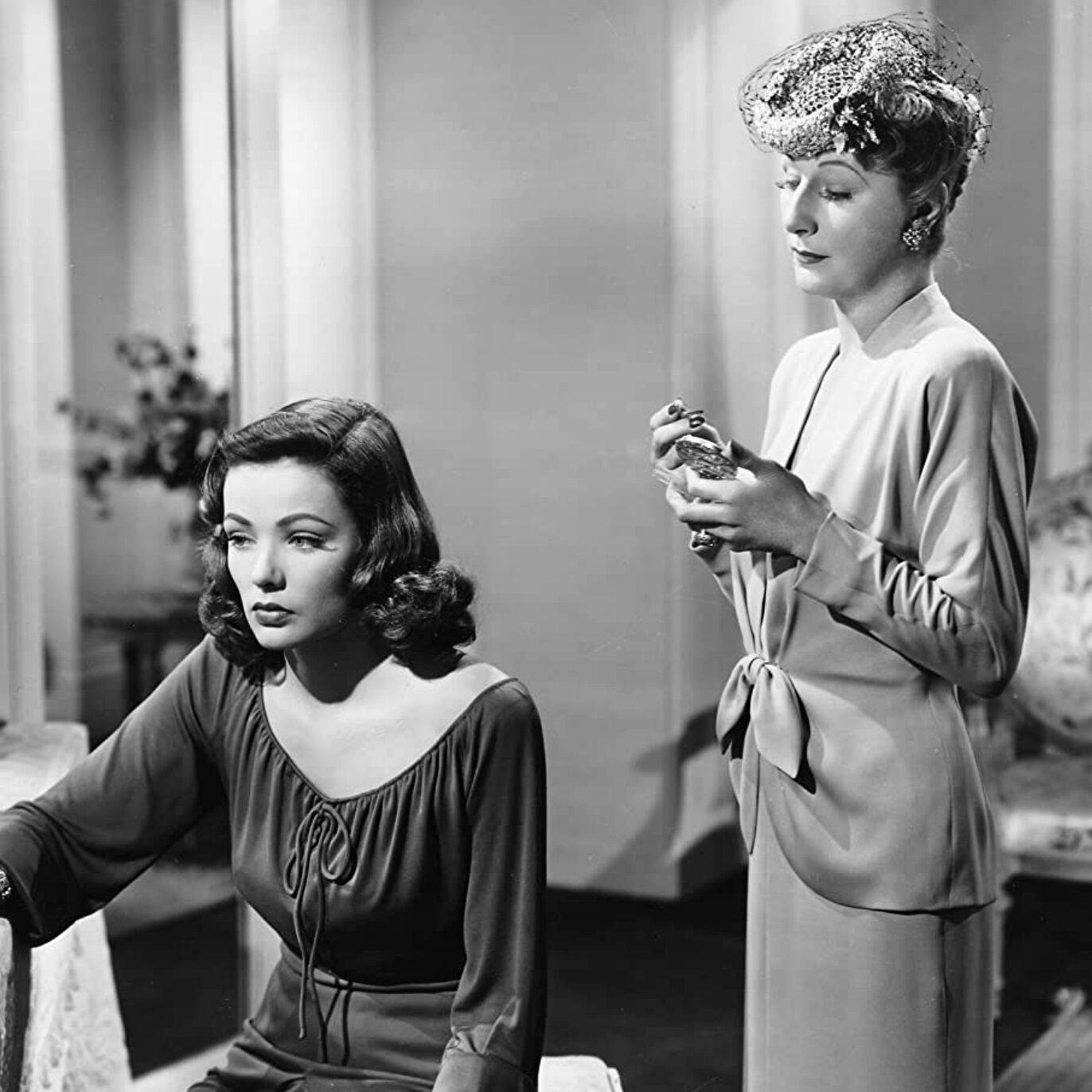
As Mark McPherson (Dana Andrews) begins the investigation of the assassination of Laura Hunt (Gene Tierney), writer Waldo Lydecker (Clifton Webb) asks to tag along because, as he says, “Murder is my favorite crime.”
Lydecker is the narrator, but also the spectator of this investigation, who like us, follows McPherson along during the investigation.
But hopefully we have a bit more empathy than Waldo. “I should be sincerely sorry to see my neighbor’s children devoured by wolves,” he states.
And like almost everyone else in the movie, we fall in love with a dead woman, Laura, who’s not only beautiful, but smart, perhaps the smartest one of them all. Someone else agrees: “I must say, for a charming, intelligent girl, you certainly surrounded yourself with a remarkable collection of dopes.”
And we wonder why would anybody want to kill her? And who shot her in the face? And what would Laura say if she saw the picture of her corpse in the paper?
“When a dame gets killed, she doesn’t worry about how she looks,” McPherson answers.
But Preminger plays us like a violin in David Raksin’s melodic theme, and it’s not easy to find the answer, especially because many people loved Laura, but many also had reasons to get rid of her. Like McPherson, we “suspect nobody and everybody.”
“Laura” is a fun ride, with plenty of fun dialogue and plot twists, worth many viewings.
The photography is beautiful, albeit often filmed in high key. There are some memorable photographic moments, like Laura being interrogated with two bright lamps, or voyeur Waldo spying from the snowy night. But “Laura” is missing some of the “noirness” of other films in which cinematographer Joseph LaShelle collaborated with Preminger, like “Fallen Angel” (1945) and “Where the Sidewalk Ends” (1950).
A bit of trivia: A montage of flashbacks (seen in the Blu Ray edition) where Laura is enjoying many parties was cut from the original release because someone at 20th Century Fox didn’t want to offend US soldiers with extravagant life at home while they were dying fight World War II.
5 stars.