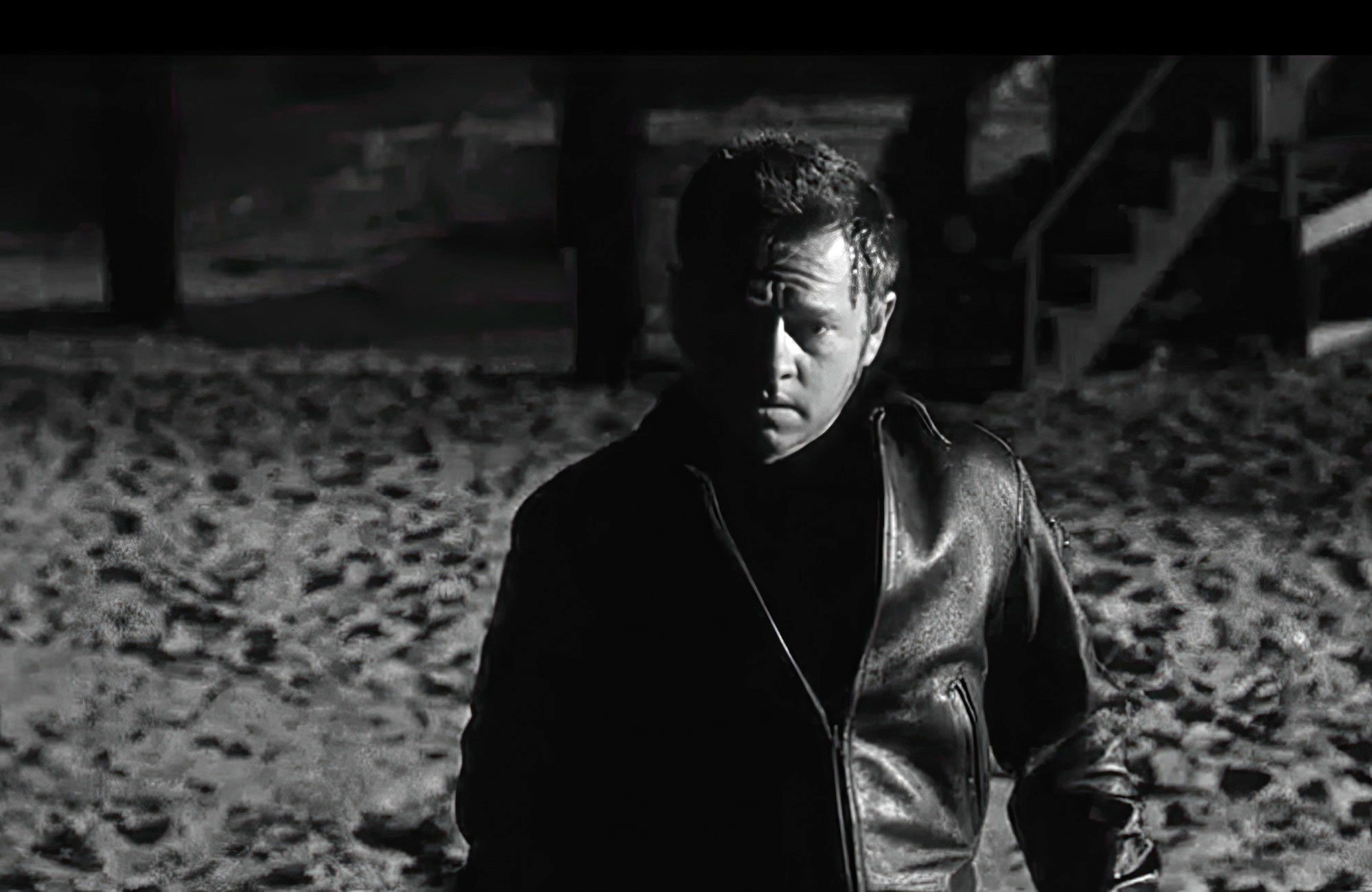
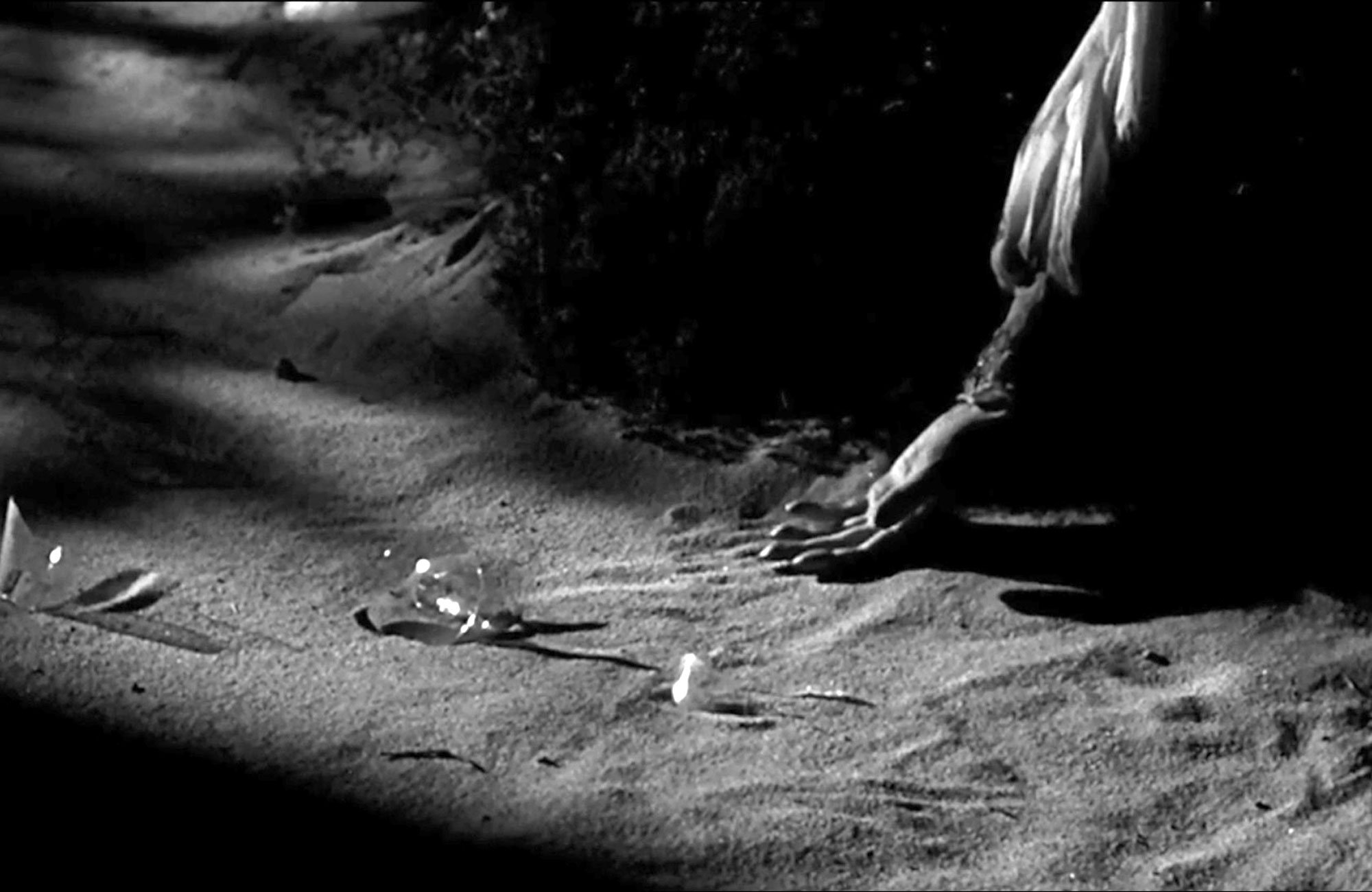
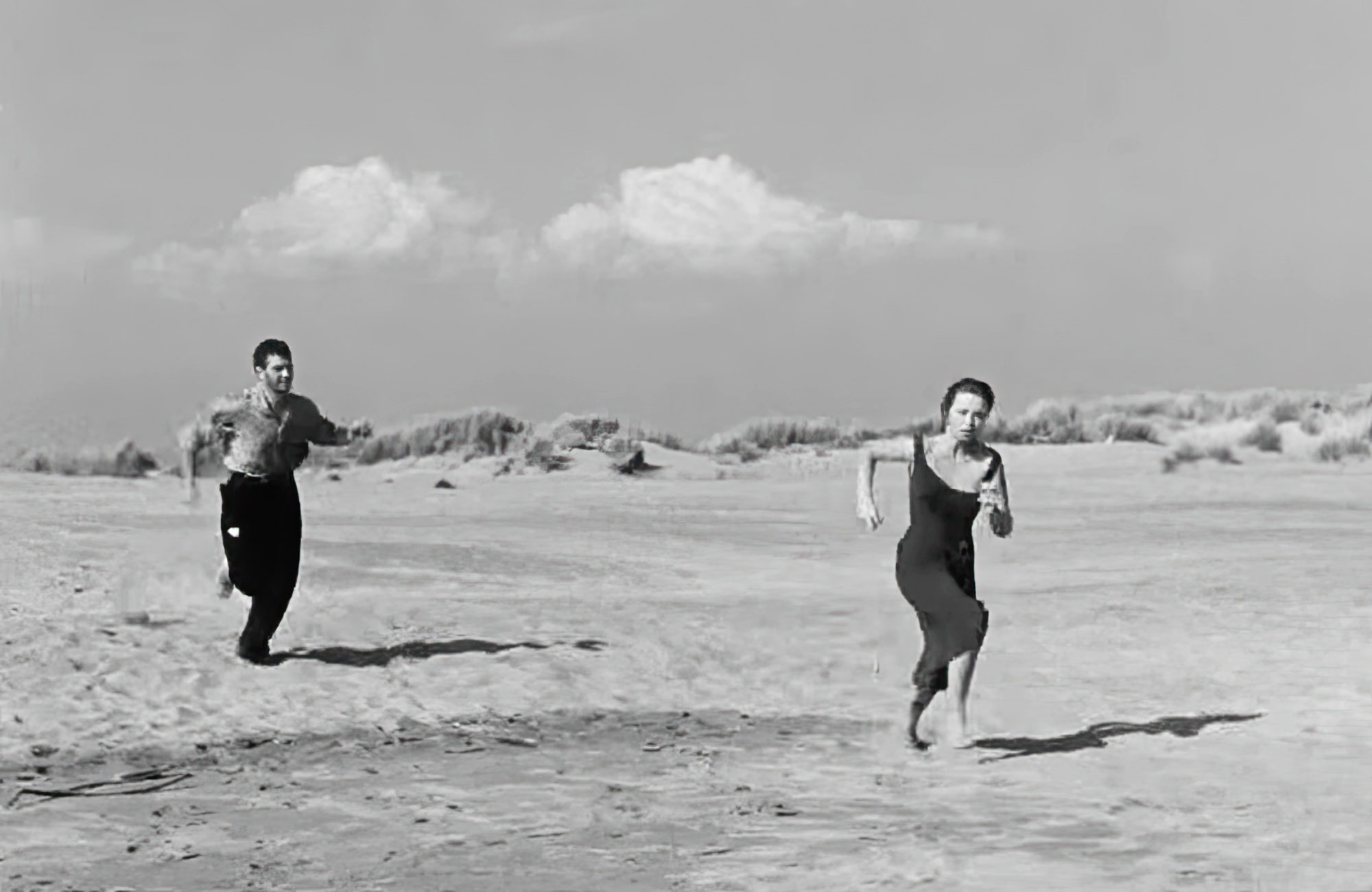
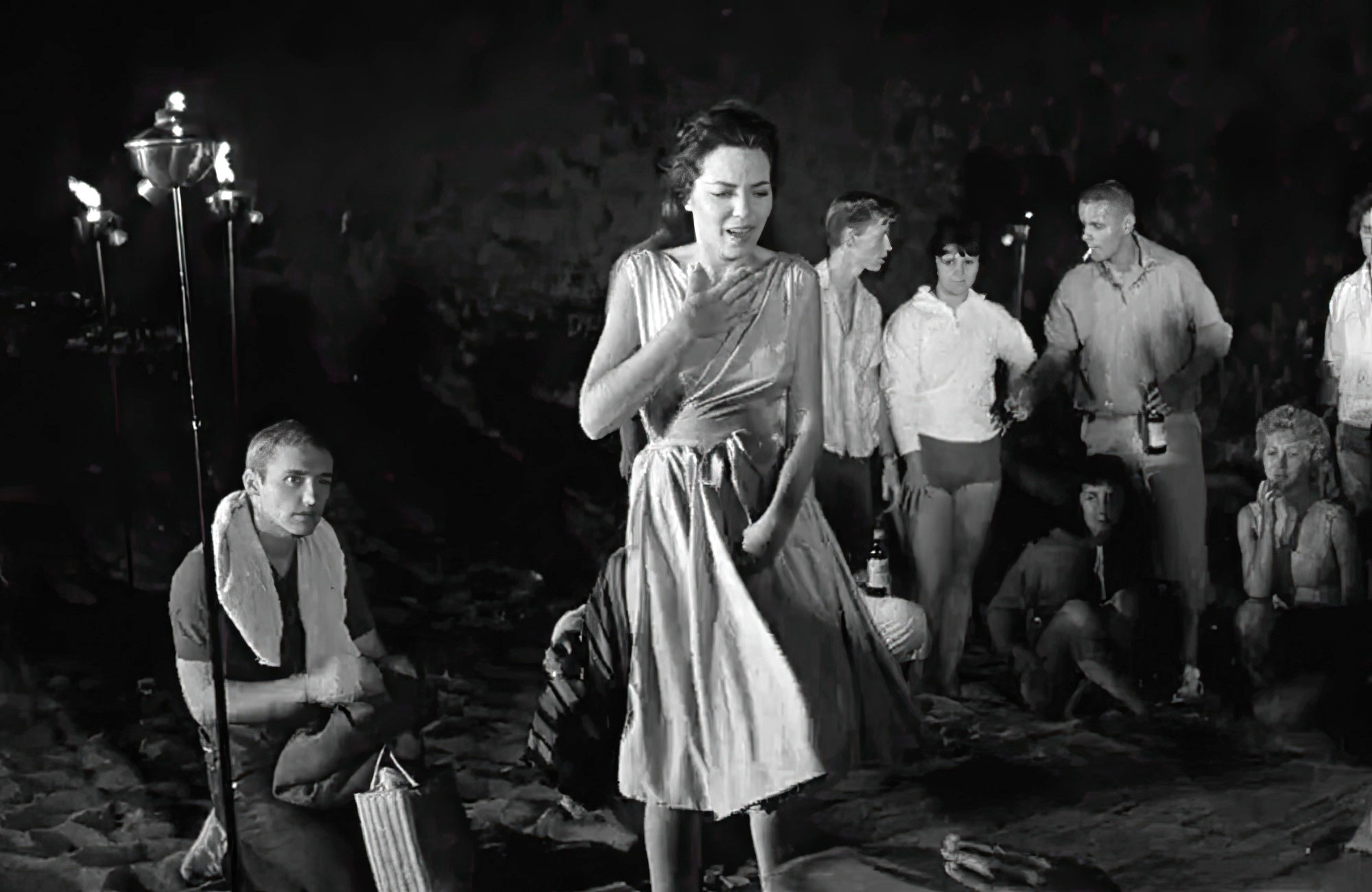
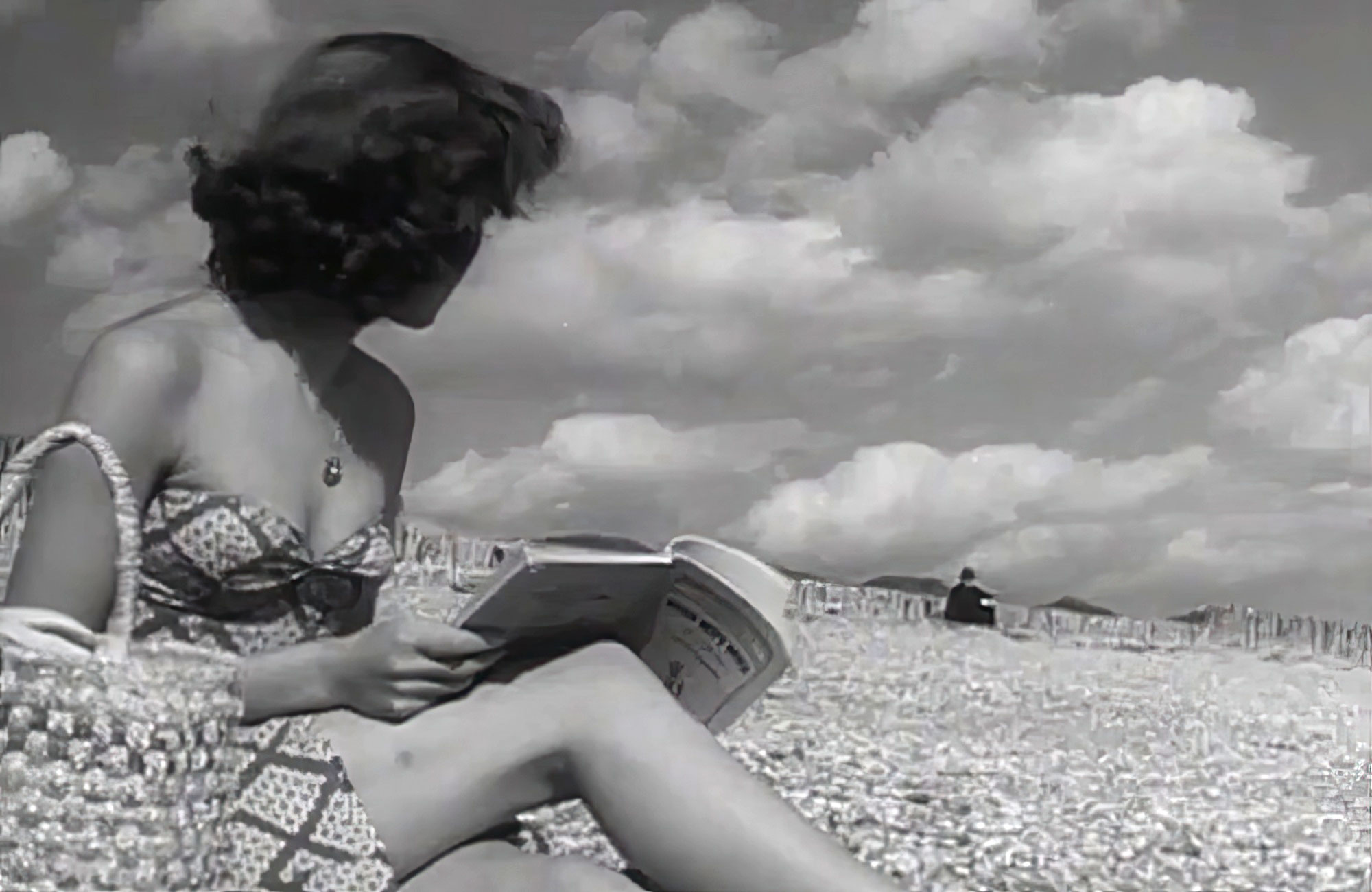
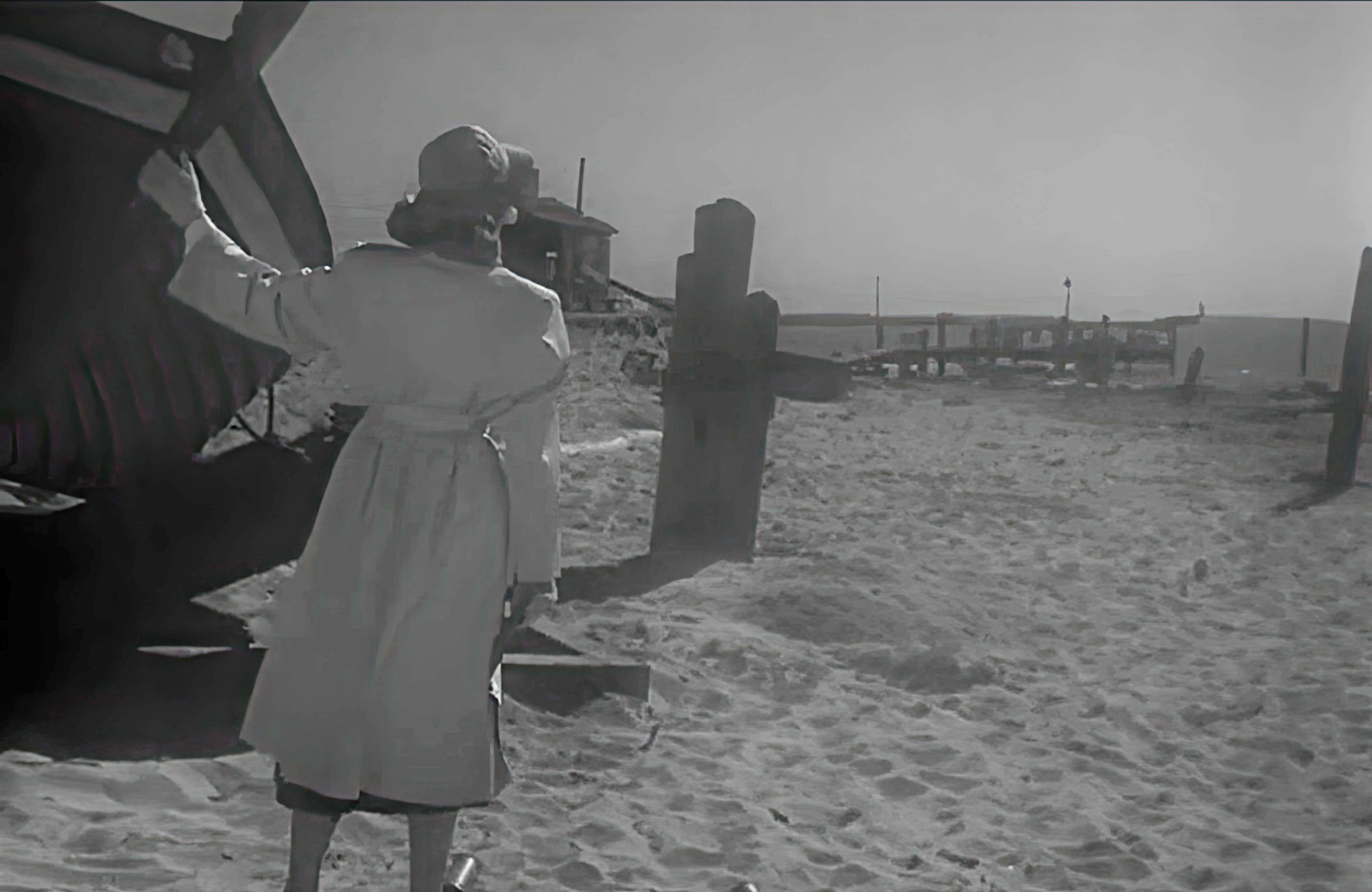
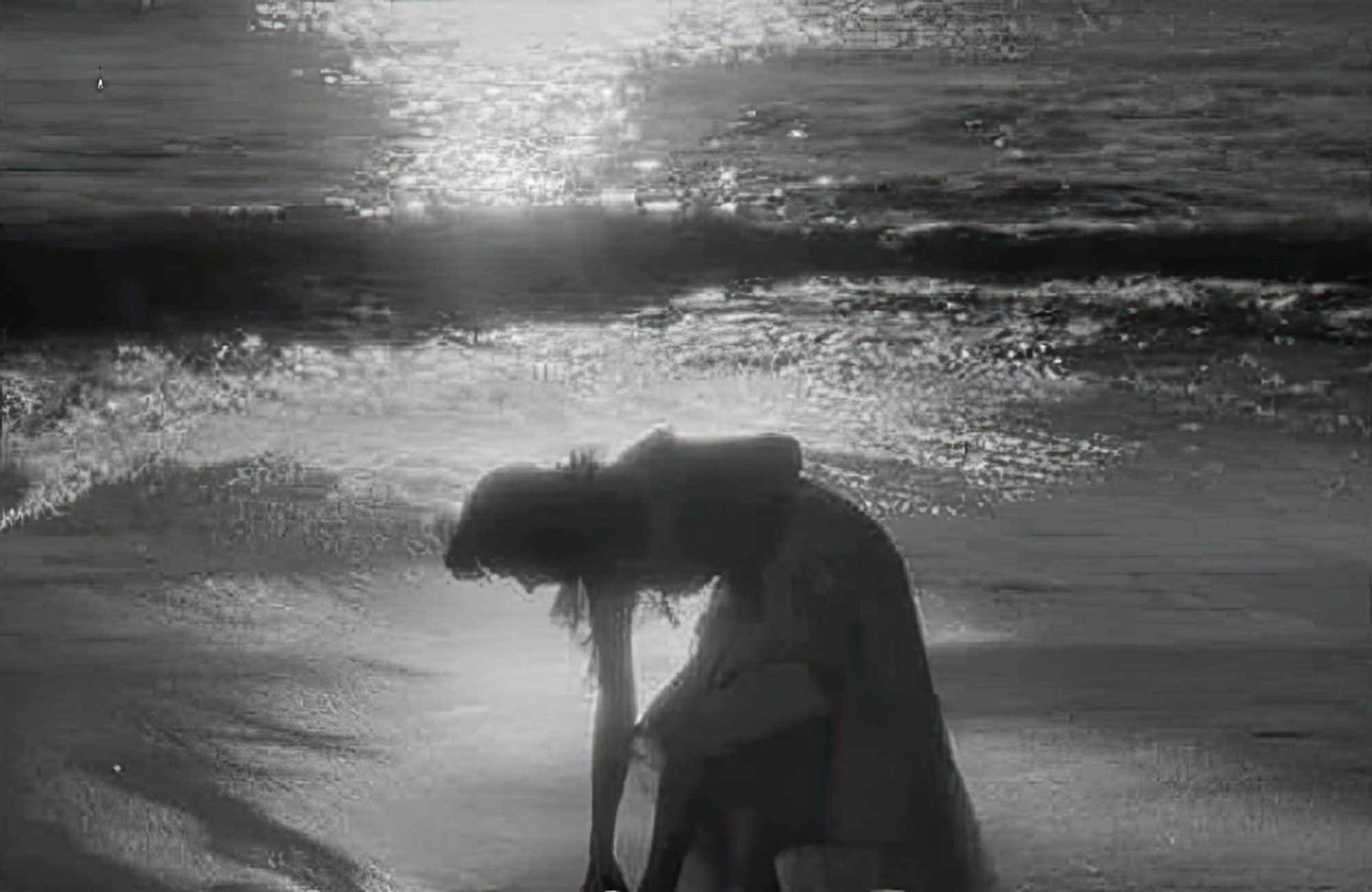
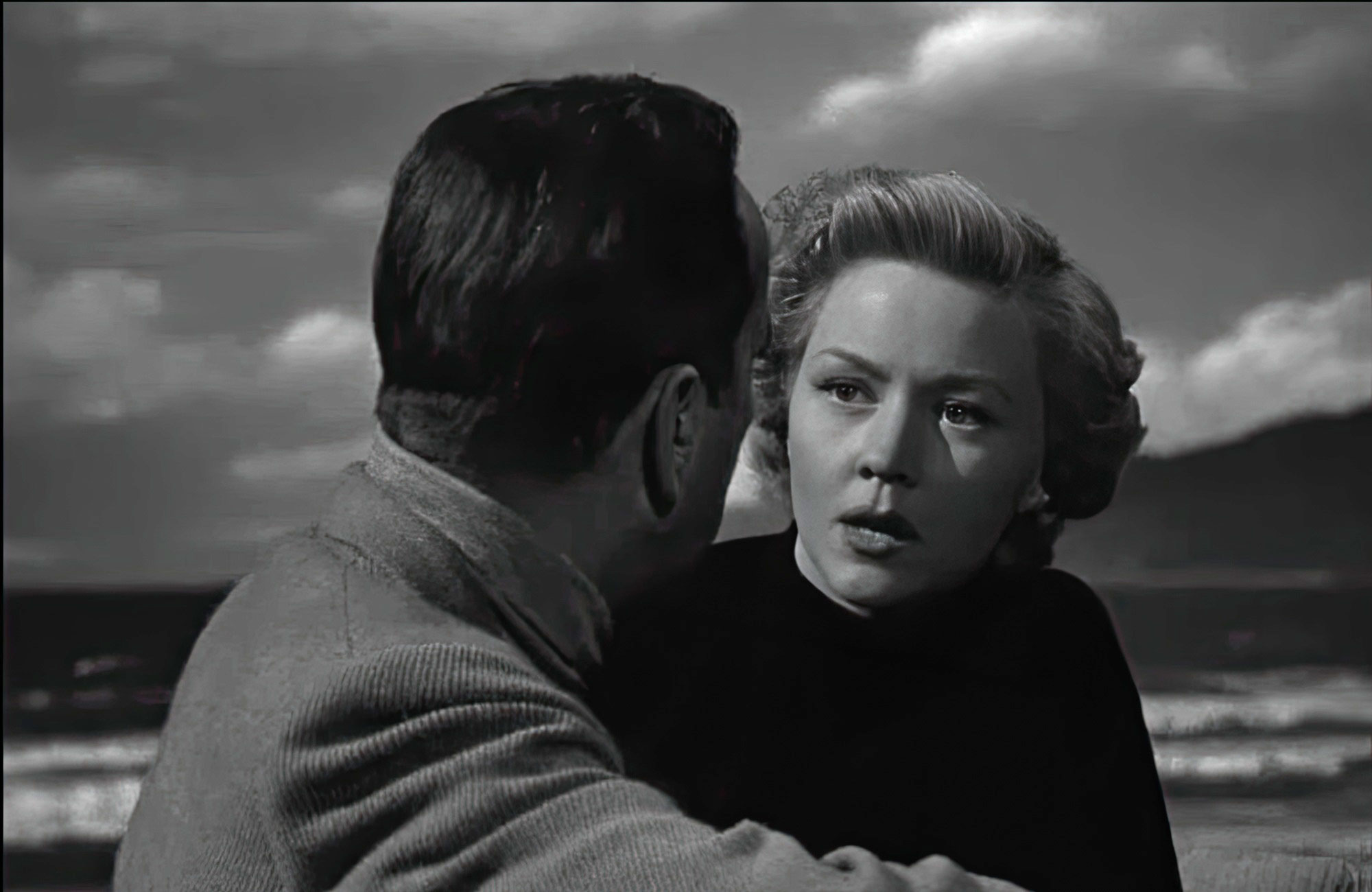
In noir, the beach is where the bodies wash up, and where sunlight and shadows fight for control. Here are ten moments when film noir steps onto the sand and finds some of its darkest, most unforgettable scenes.
Share this post
10. Drive a Crooked Road (1954)
In Richard Quine’s Drive a Crooked Road (1954), Mickey Rooney plays a vulnerable Southern California nice guy who falls for a manipulative femme fatale who wants him to drive the getaway car for her boyfriend’s gang. Later on, she starts feeling sorry for the little guy, but her beau has no plans to tolerate her change of heart. The destination is a violent climax on the beach.
Drive a Crooked Mile, 1954
9. Female on the Beach (1955)
The Female on the Beach is dead. In this Joan Crawford vehicle (1955), an aging, lonely woman purchases a waterfront home in which the previous tenant had died on the beach under mysterious circumstances upon learning of her lover’s infidelity. The lover, who happens to live next door, swoops in to make the moves on Joan next.
Female on the Beach, 1955
8. The Pearl (1947)
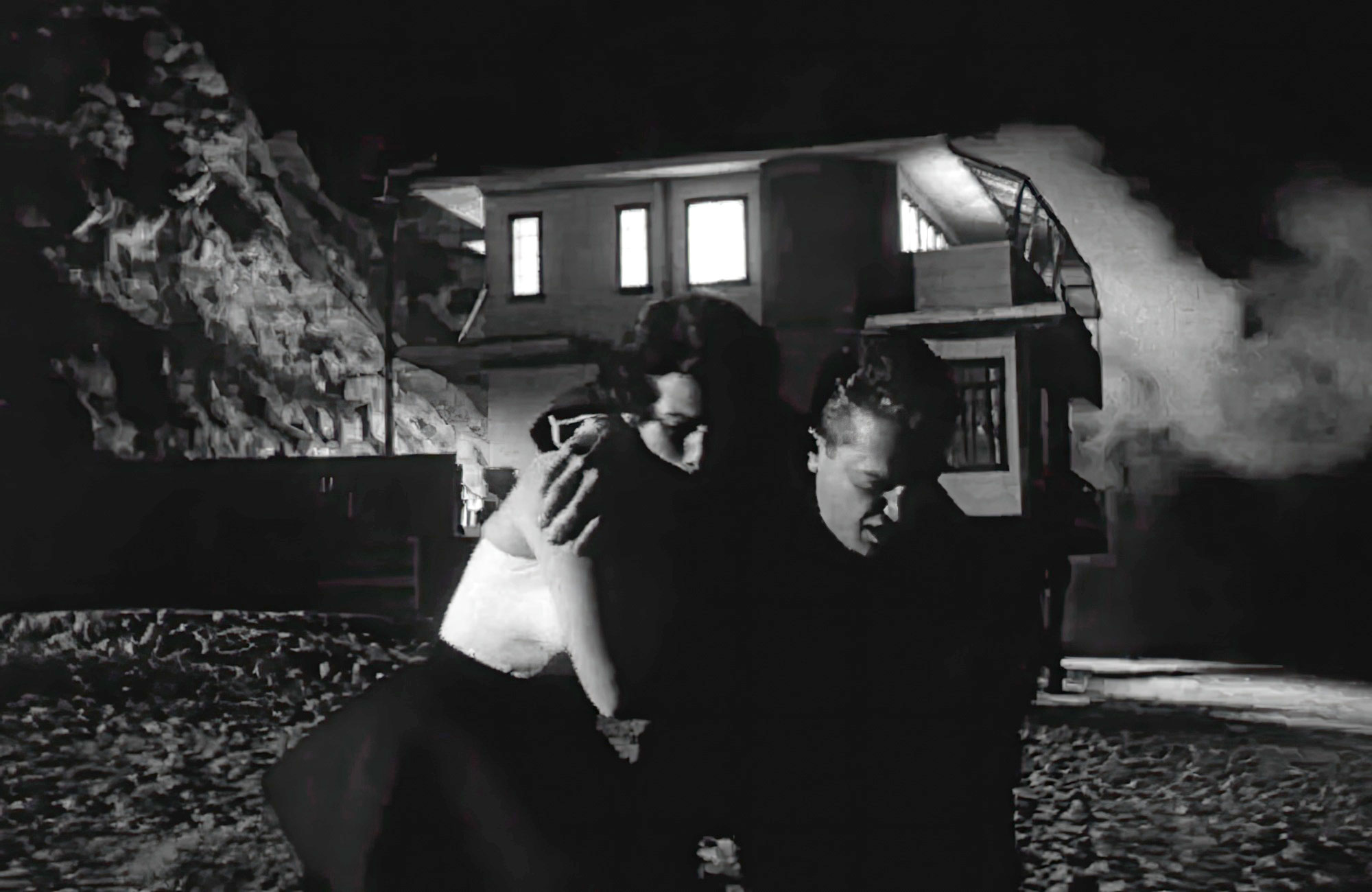
Based on a John Steinbeck novella, Emilio Fernandez’s Mexican noir, The Pearl (1947), is a story of greed that turns into obsession that turns into violence. Shot by legendary cinematographer Gabriel Figueroa, it’s a stunningly beautiful film that makes brilliant use of its beachfront setting for maximum emotional drama.
The Pearl, 1947
7. The Wicked Go to Hell (1955)
The entire second half of Robert Hossein’s thrilling French noir, The Wicked Go To Hell (1955), takes place at the beach home of an artist and his beautiful muse played by the otherworldly Marina Vlady. When two escaped convicts show up and kill him, they take over both the house and the muse, which leads to a tense and violent love triangle that unfolds all over the sand.
The Wicked Go to Hell, 1955
6. Night Tide (1961)
In the criminally under-appreciated Night Tide (1961), Peter Fonda plays a sailor on leave who falls for a woman who plays a “real-life” mermaid in a boardwalk carnival act, but what if it’s more than just an act? And what if her last two boyfriends’ deaths weren’t merely accidents? When beachcombers persuade the mysterious beauty to dance one evening, her routine culminates in a surreal mental breakdown.
Night Tide, 1961
5. The Dark Man (1951)
Jeffrey Dell’s The Dark Man (1951) is a tense British noir in which budding, young actress Molly Lester happens on a murder in progress while cycling through the woods. After she flees the scene, presumably unseen by the killer, a “dark man” begins to follow her, including to the beach one day, where a brilliant scene of Hitchcockian suspense unfolds as other beachgoers go home, one after another, leaving her alone with her stalker.
The Dark Man, 1951
4. Sorry, Wrong Number (1948)
In Anatole Litvak’s Sorry, Wrong Number (1948), Ann Richards plays housewife Sally Hunt, who comes to the aid of Barbara Stanwyck’s desperate, bed-ridden Leona Stevenson, who just overheard her husband plotting her murder. Sally recounts how she followed her own husband, an assistant DA, to an isolated house on a hazy, dream-like beach where she witnesses cryptic communications with an ominous vessel.
Sorry, Wrong Number (1948)
3. The Amazing Mr. X (1948)
Featuring the visual magic of cinematographer John Alton, The Amazing Mr. X (1948) begins with the beautiful widow Christine Faber walking the beach one night when she hears the voice of her dead husband calling out from the surf. This will send her to a local medium named Alexis whose behavior becomes increasingly dubious as Christine gets closer to the truth.
The Amazing Mr. X, 1948
2. In a Lonely Place (1950)
In Nicholas Ray’s In a Lonely Place (1950), Humphrey Bogart’s character, with the virile name of Dix Steele, attends a beach gathering only to discover that his girlfriend and best friends suspect him of murder based on circumstantial evidence and his violent temper. Dix storms off the sand and speeds away toward another near-deadly confrontation.
In a Lonely Place, 1950
1. Kiss Me Deadly (1955)
In what may be the most iconic “beach scene” in all of film noir, the climax of Robert Aldrich’s Kiss Me Deadly (1955) features an atomic explosion that torches a beach house while Mike Hammer and Velda escape into the surf just in time. Aldrich’s apocalyptic fever dream is chaotic and frenetic and a totally wild ride not to be missed.