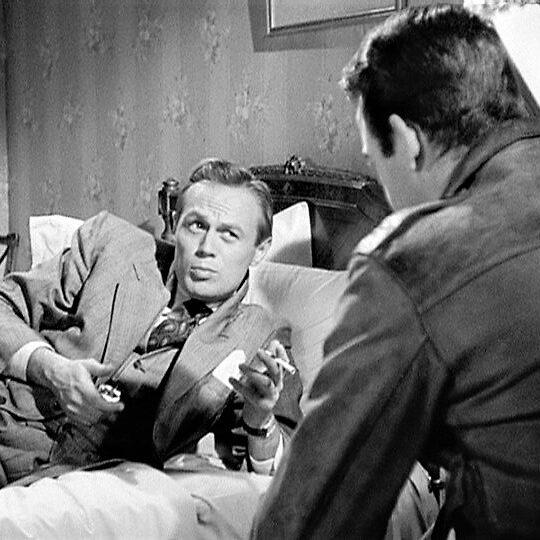
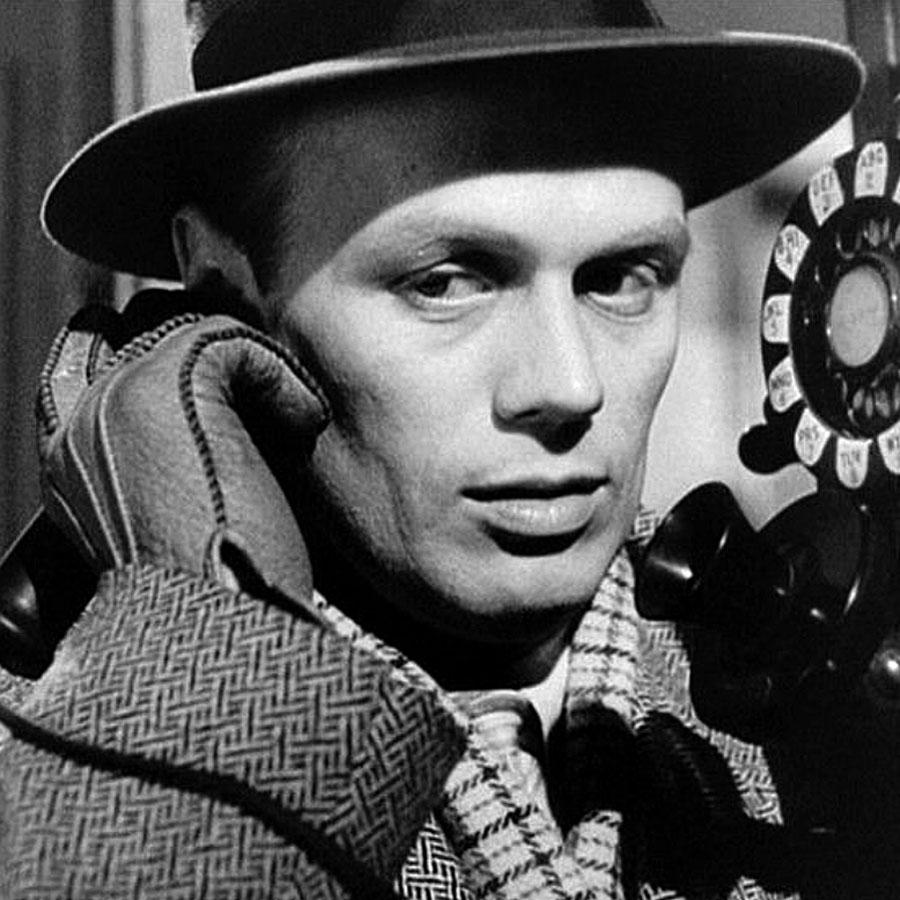
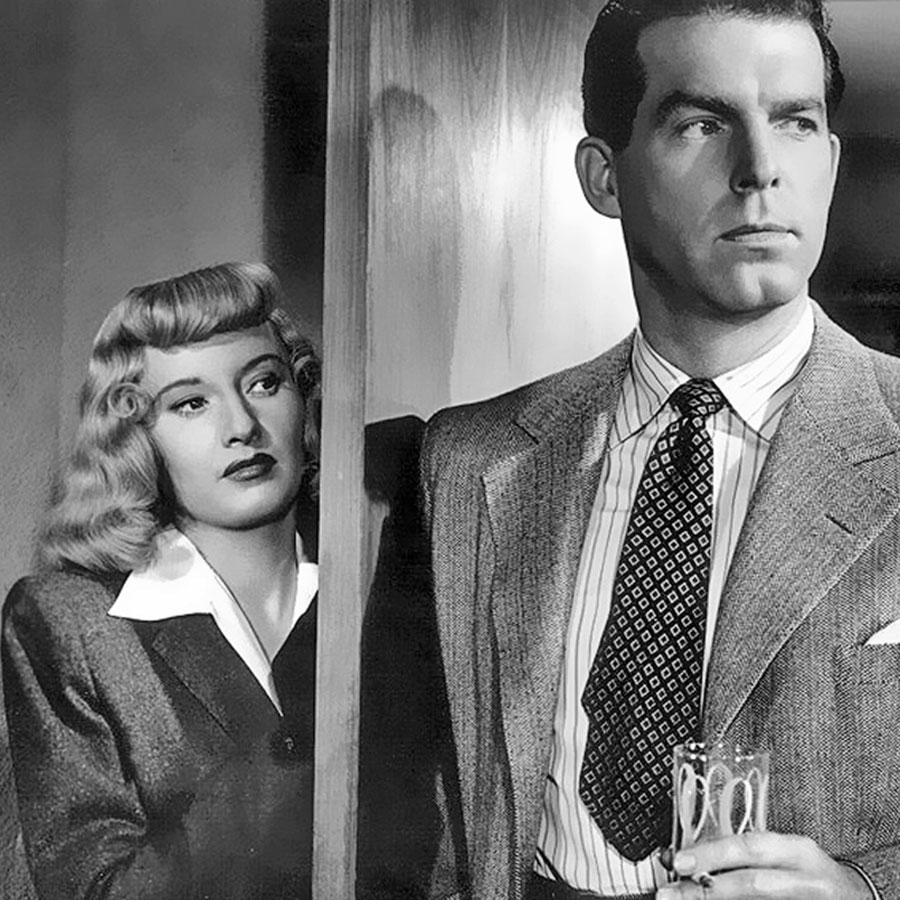
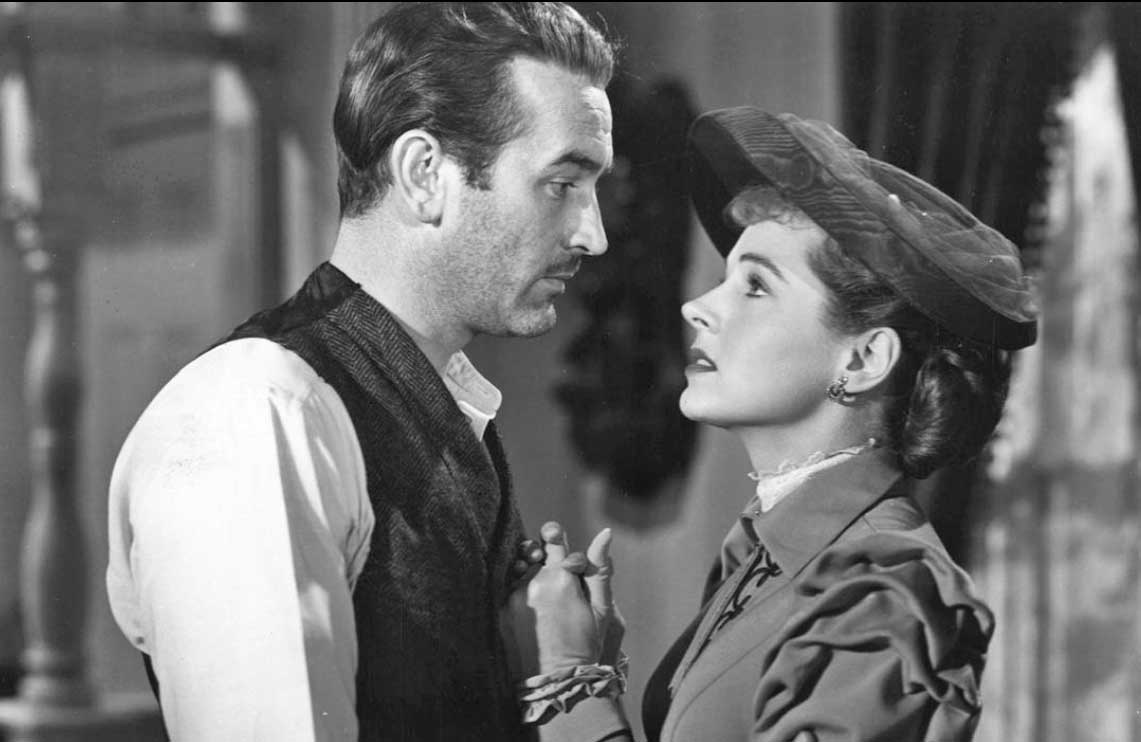
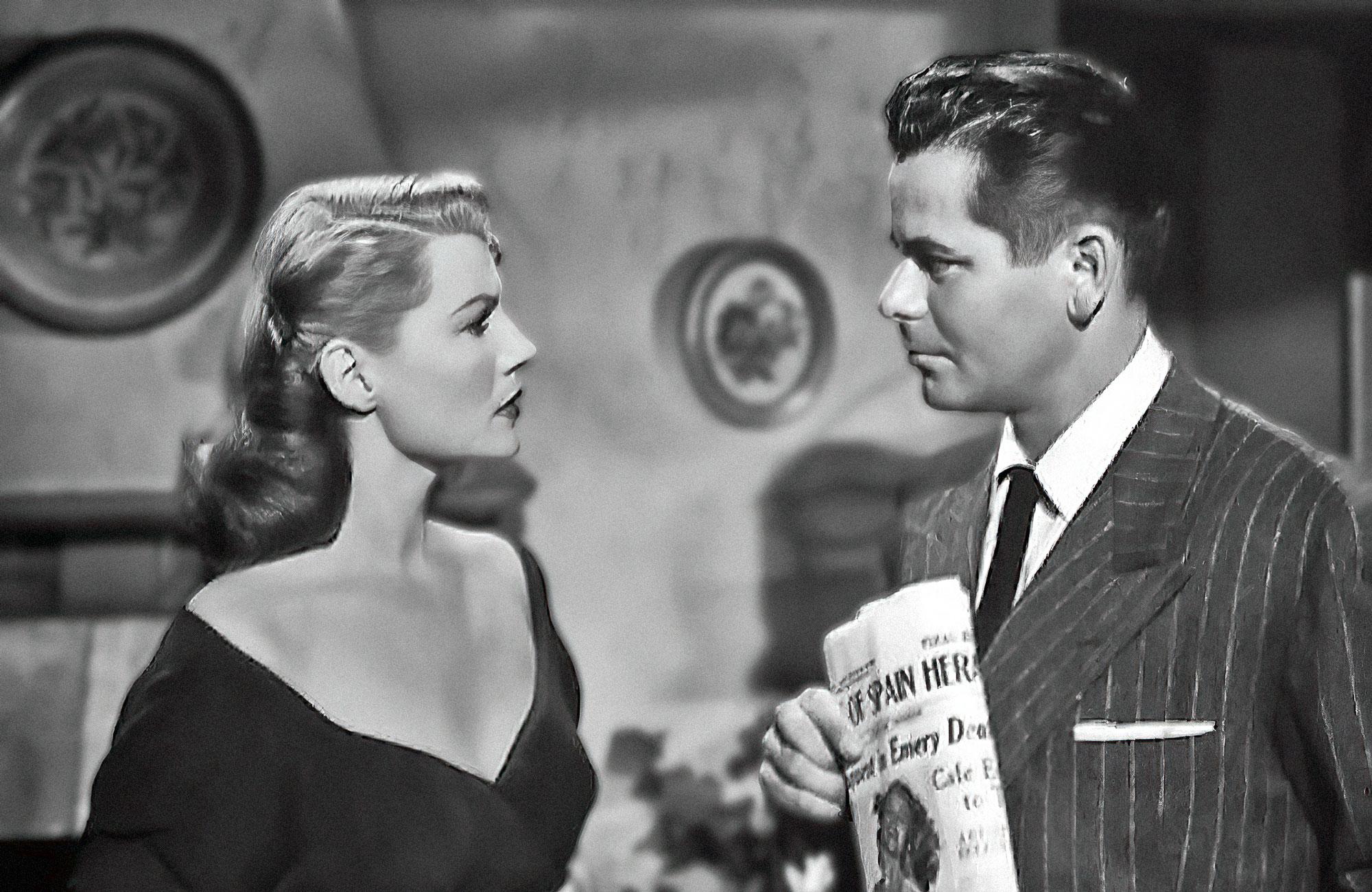
The Street with No Name is excellent when it’s dark. And when Richard Widmark is on camera as Alec Stiles.
Most of the acting is brilliant, including Judi (Barbara Lawrence) in her small roll.
What makes the film fall short for me is that it’s overtly a propaganda film for Edgar J. Hoover’s FBI.
I did enjoy all the FBI modern technology used to combat gangsterism, but it did slow down the action, at the beginning at least.
I watched it right after seeing House of Bamboo. It was fun seeing the similarities. 3.5 stars.
“You tipped ’em, dincha?!” Alec Stiles (the perfectly villainous Richard Widmark) beats on his wife Judy (Barbara Lawrence) for tipping off the cops in William Keighley’s The Street with No Name, a follow-up of sorts to Henry Hathaway’s The House on 92nd Street (1945), again featuring Lloyd Nolan as FBI agent George Briggs. The initial tone is cold and journalistic as a gowned woman is gunned down on a nightclub dance floor, a dispassionate voice-over announcing that she’ll be survived by a husband and two children. Two murders later, FBI trainee Gene Cordell (Mark Stevens) is recruited to assume the identity of criminal George Manly and infiltrate the crime syndicate led by Stiles. This is where the narrative pacing picks up; Cordell thrives under the alias of confident, street-smart Manly, smiling at his Skid Row pigsty hotel room, teasing boxers in the ring at the local gym, and champing at the bit to partner with Stiles and his gang of thugs. The undercover games become tense and deadly, at times evoking Scorsese’s The Departed (2006), especially during the aborted mansion job. Cinematographer Joe MacDonald creates plenty of moody hallways and blackened entrances, the (fictional) Center City streets clamor like a carnival, and Lionel Newman’s musical score may be minimal but the patriotic refrain that opens the film comes back again and again. The film was loosely remade by Samuel Fuller in 1955 as House of Bamboo.
Share this film
Story Elements